
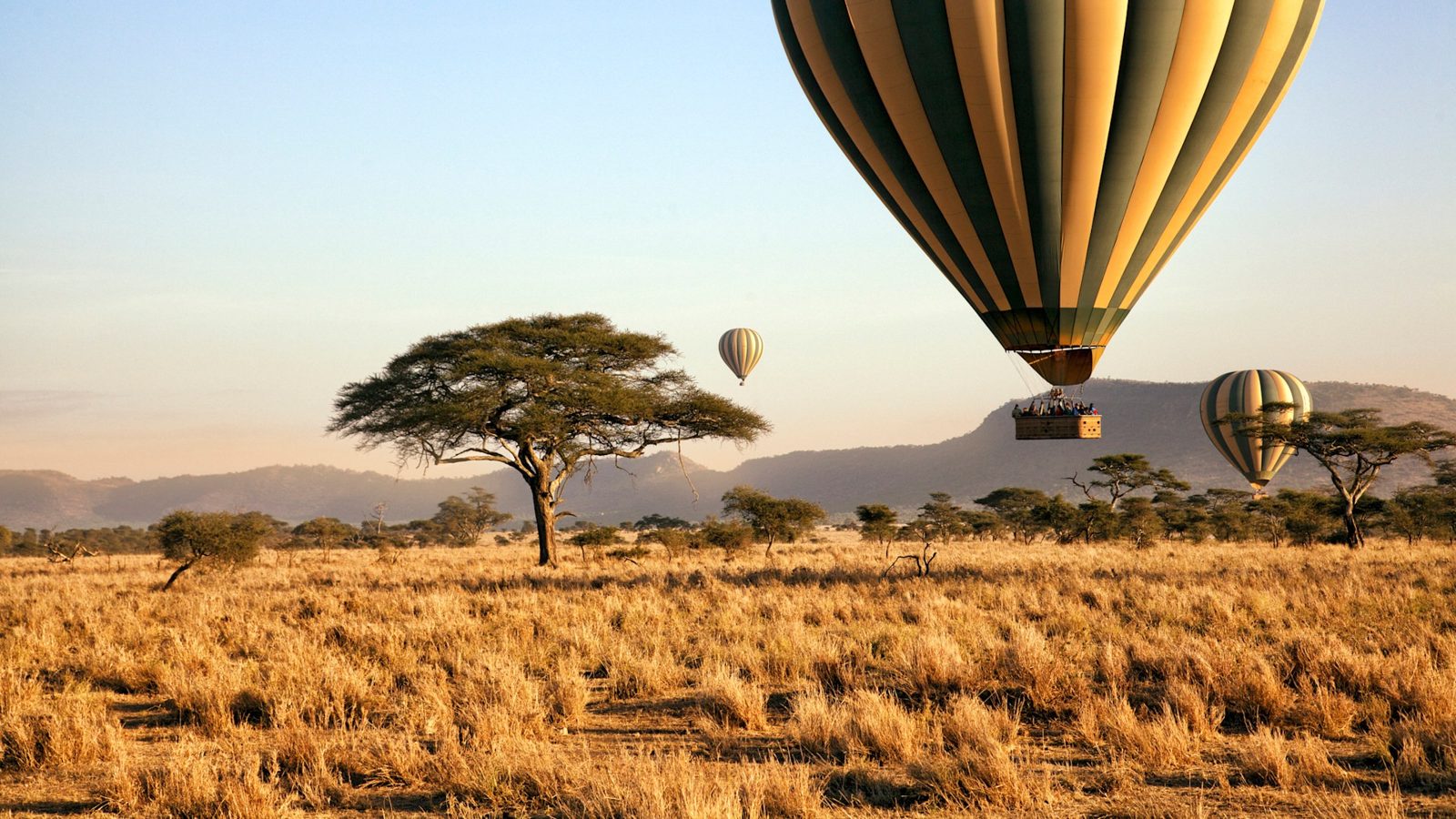

A comprehensive guide from Hugg Travel Co
The Safari Planning Guide
Where to go, when to visit, and how to craft your perfect African adventure.
A personal note
My honeymoon to Africa was transformative. I feel such an overwhelming sense of gratitude for the entire experience. It was a privilege to go and it's a privilege to plan it for others. It was a combination of a deep connection to the wildlife, the people, the landscapes, the conservation work, and hope for a regenerative model of tourism for the future.
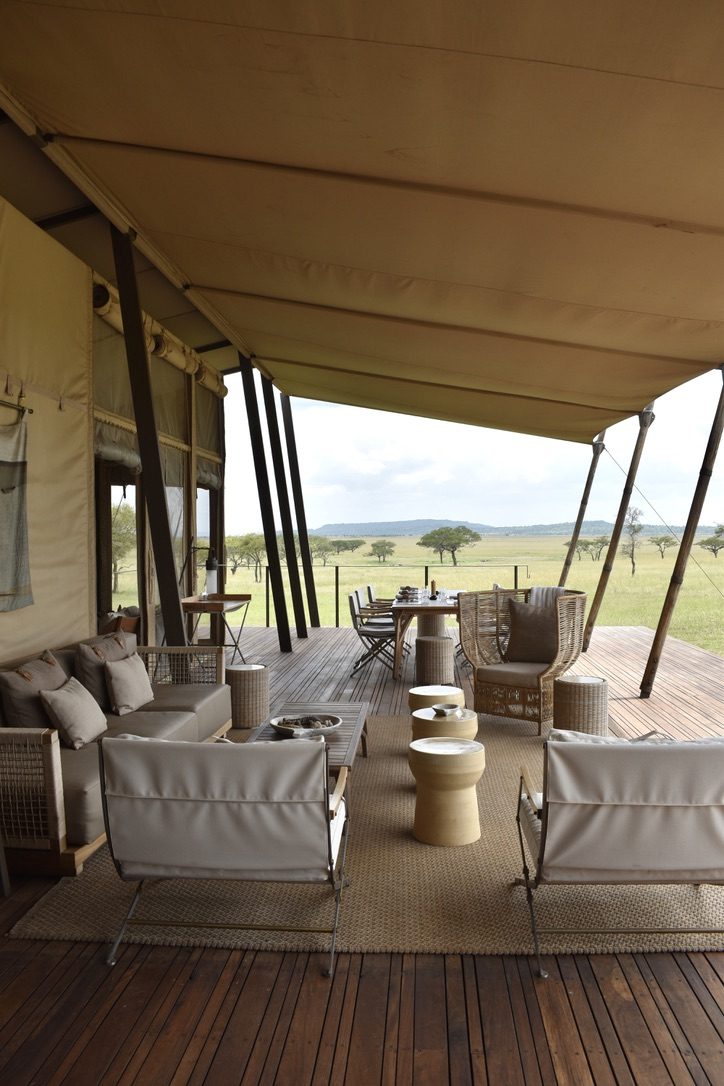
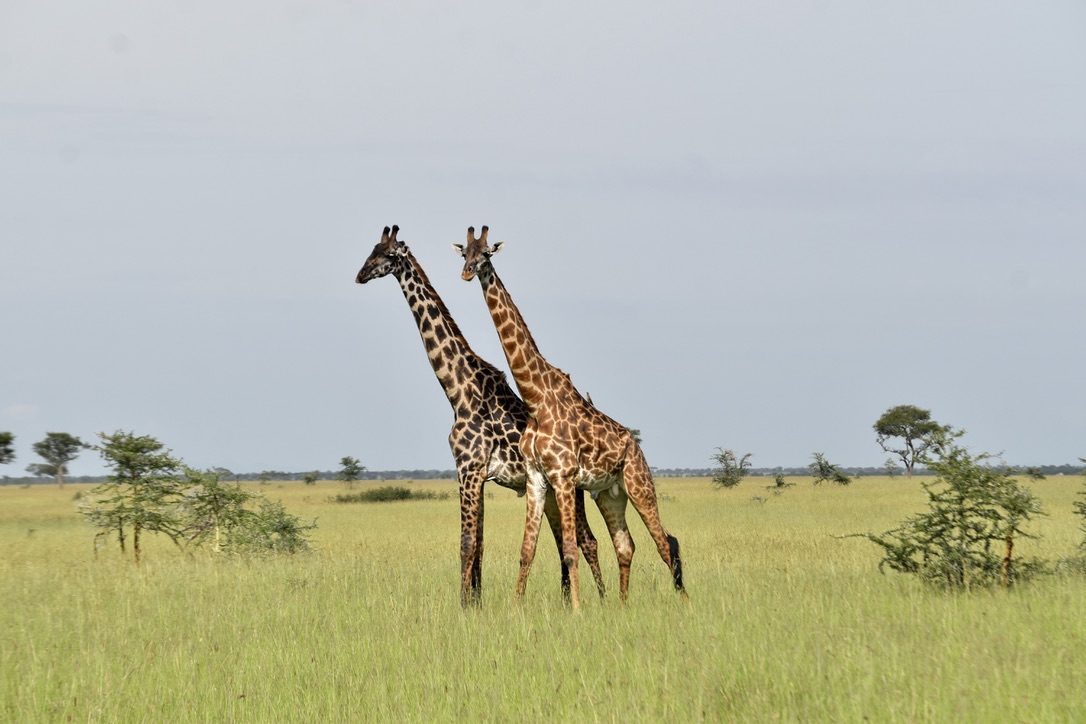
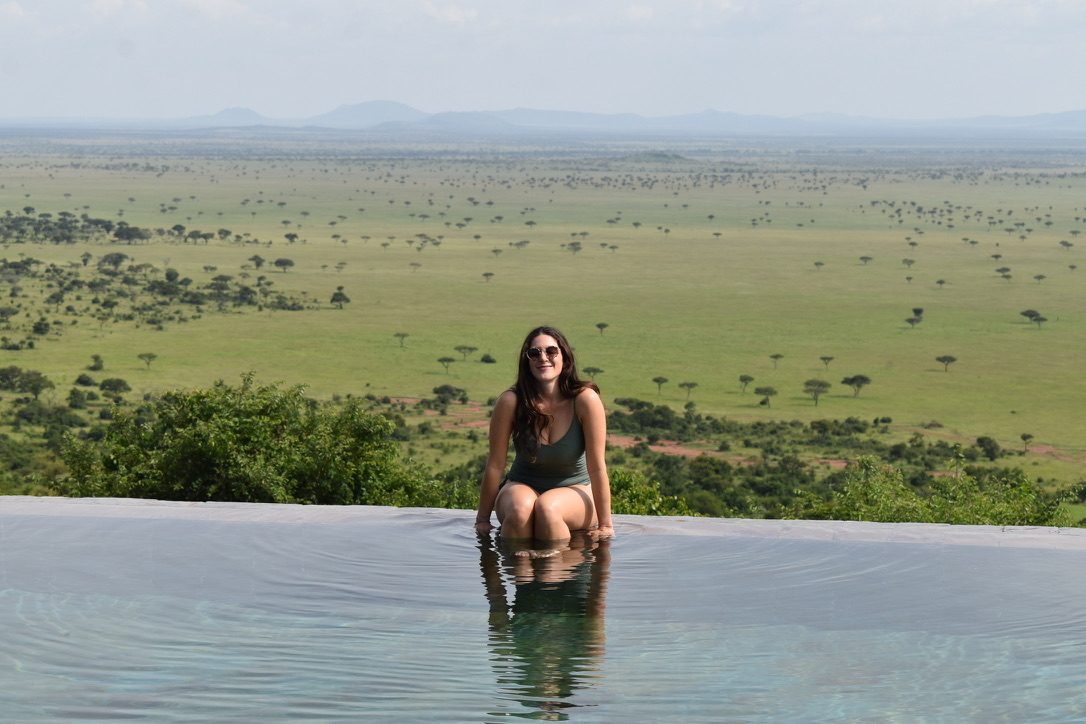
We were utterly and completely seduced and already figuring out when and how we can go back. We chased the Great Migration across Tanzania, staying at Singita Sabora and Sasakwa on private concessions where we had front-row seats to one of nature's most dramatic spectacles.
As a travel advisor specializing in luxury travel, I've sent countless clients to Africa, and the response is always the same: nothing prepares you for the reality of being in the presence of wild animals in their natural habitat, of watching the sun rise over the savannah while lions call in the distance, of the profound silence of the bush at night.
Julia Hugg, Hugg Travel Co
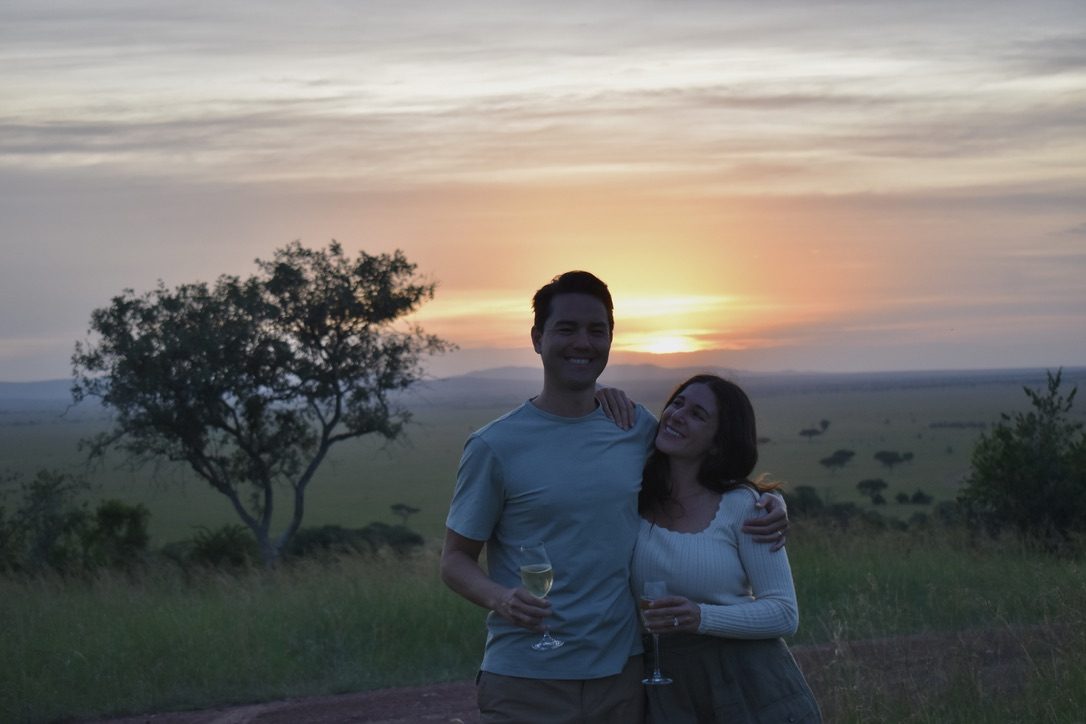
Africa is the kind of place you want everyone to experience at least once, and once you've experienced it, you're yearning to go back.
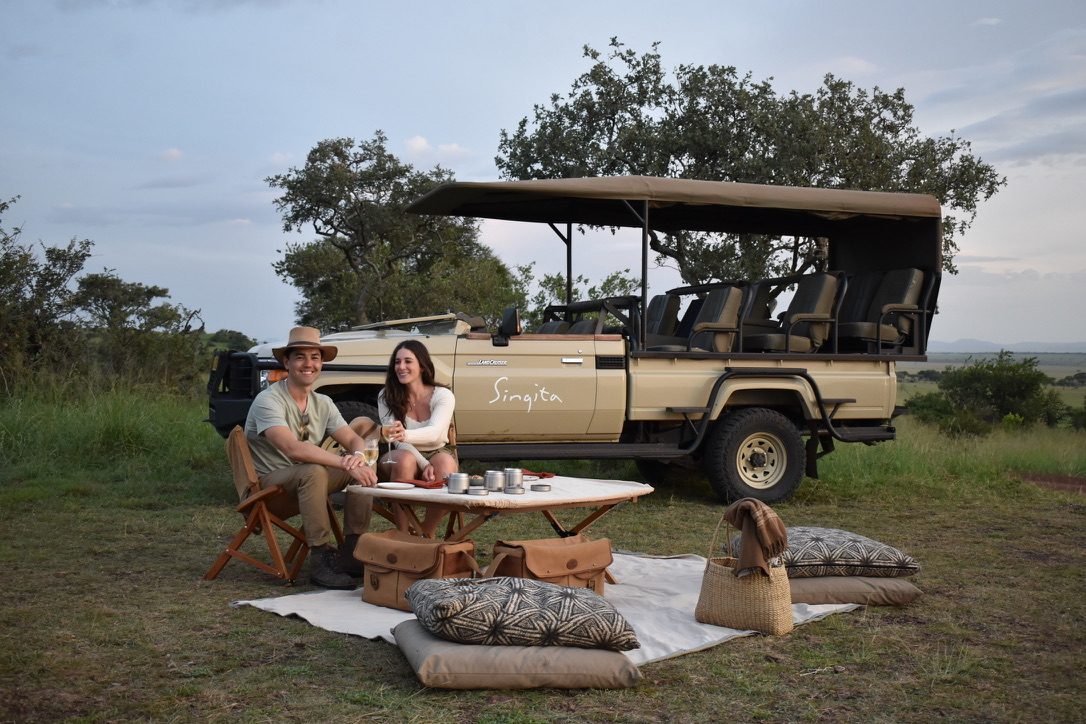
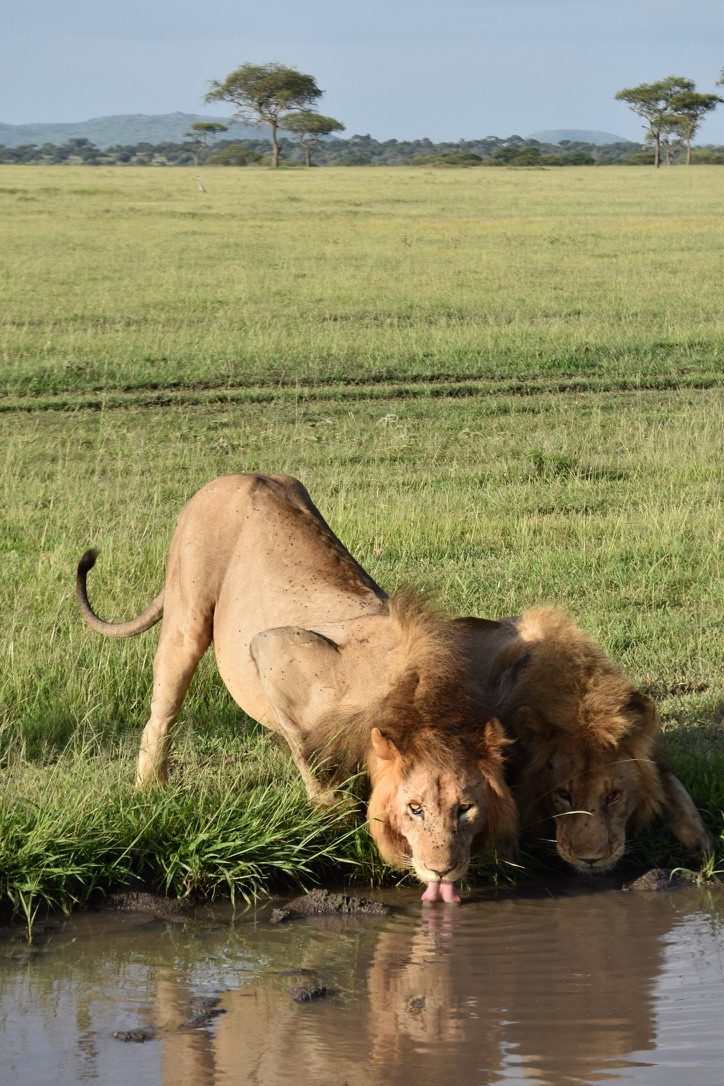
Moments from our journey
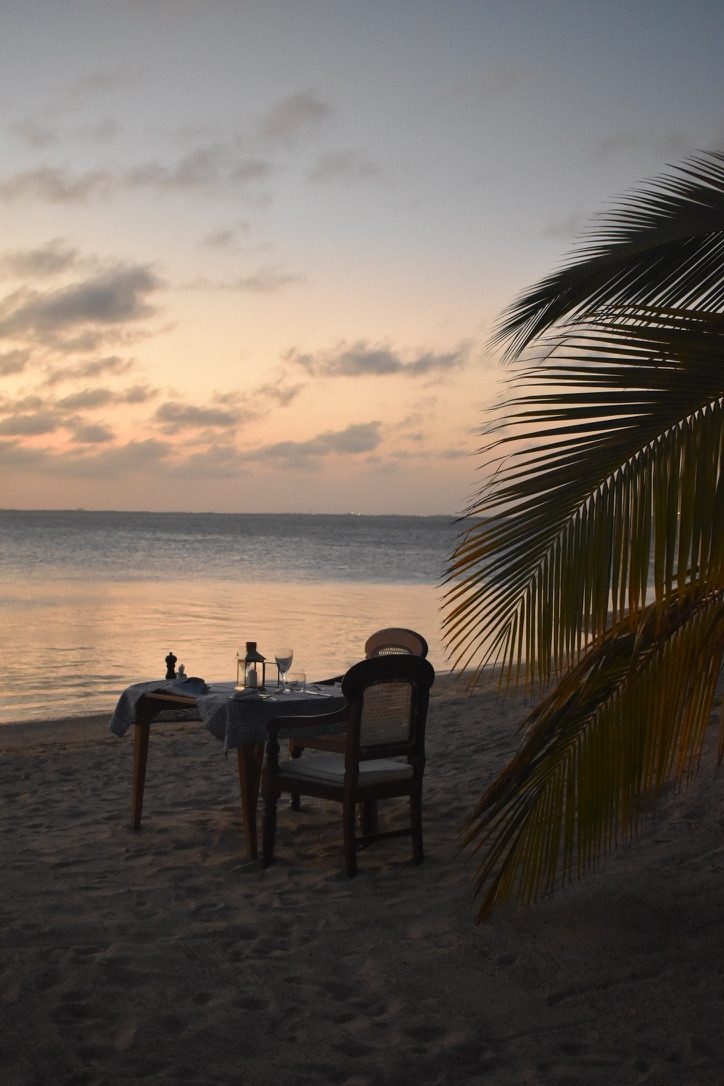
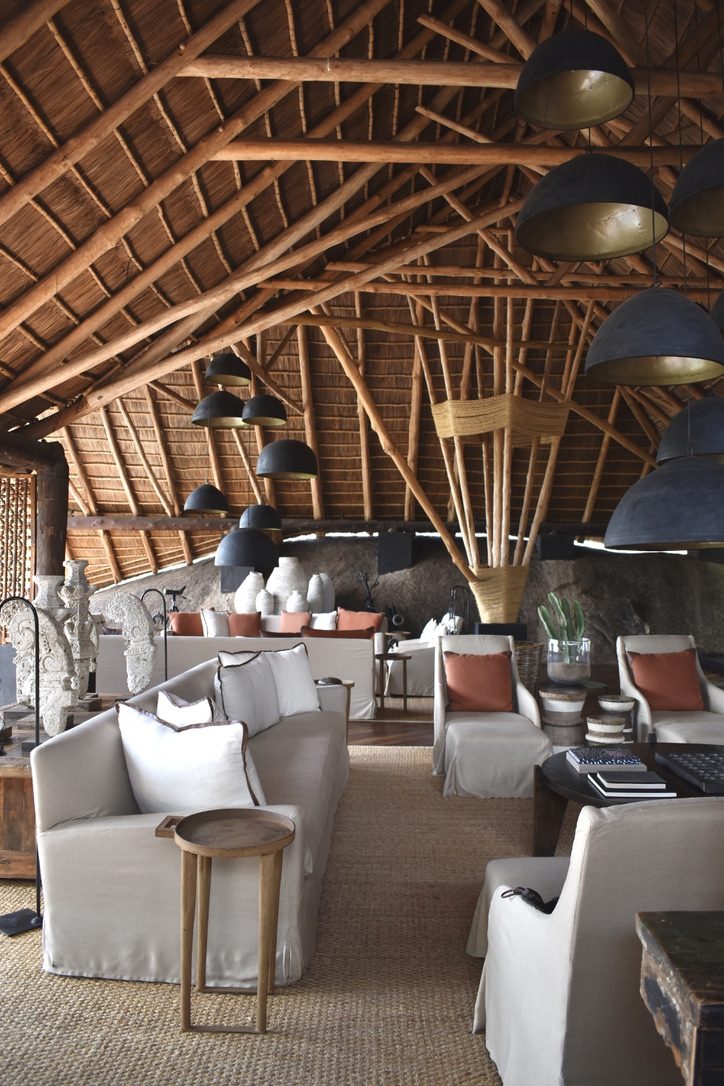
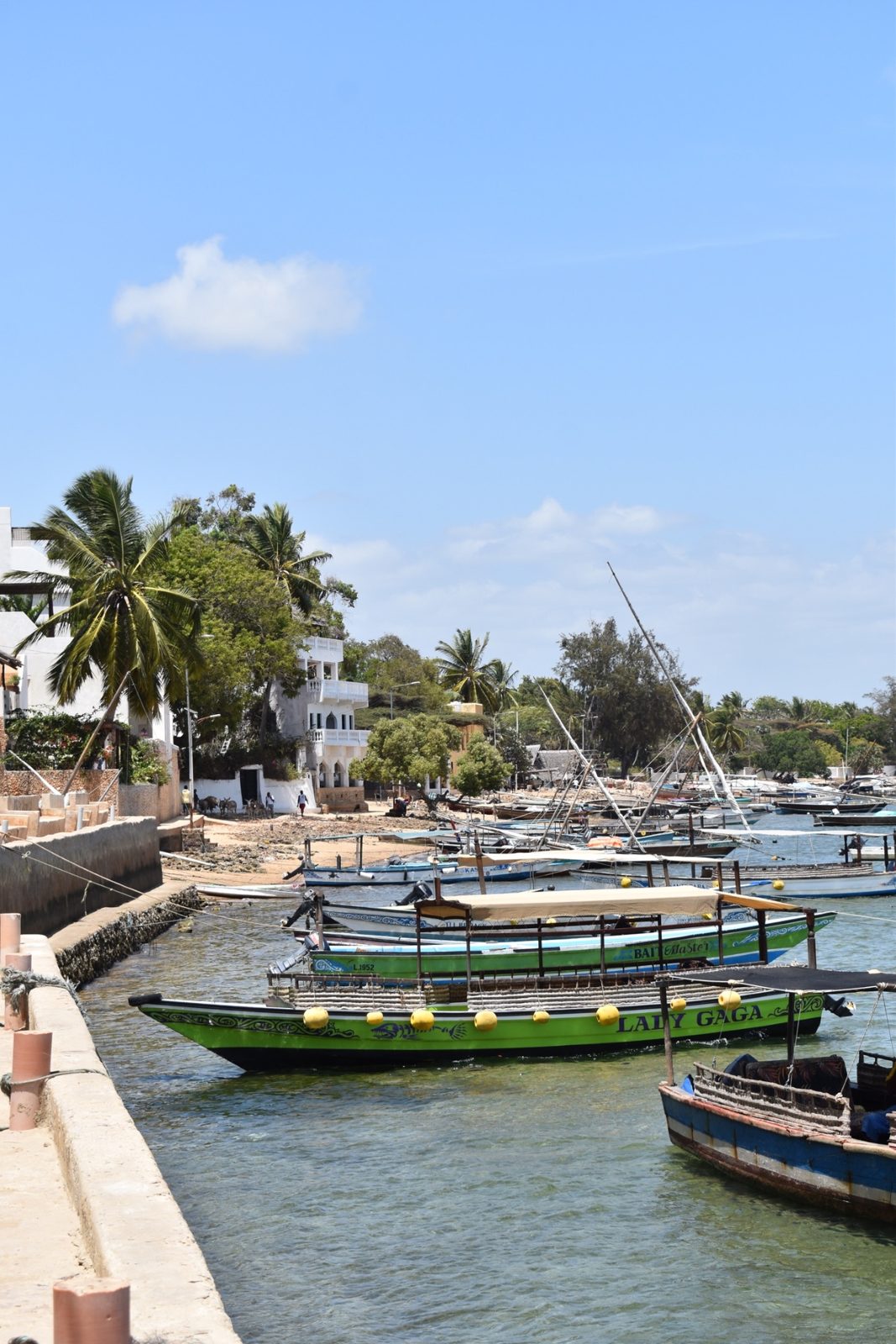
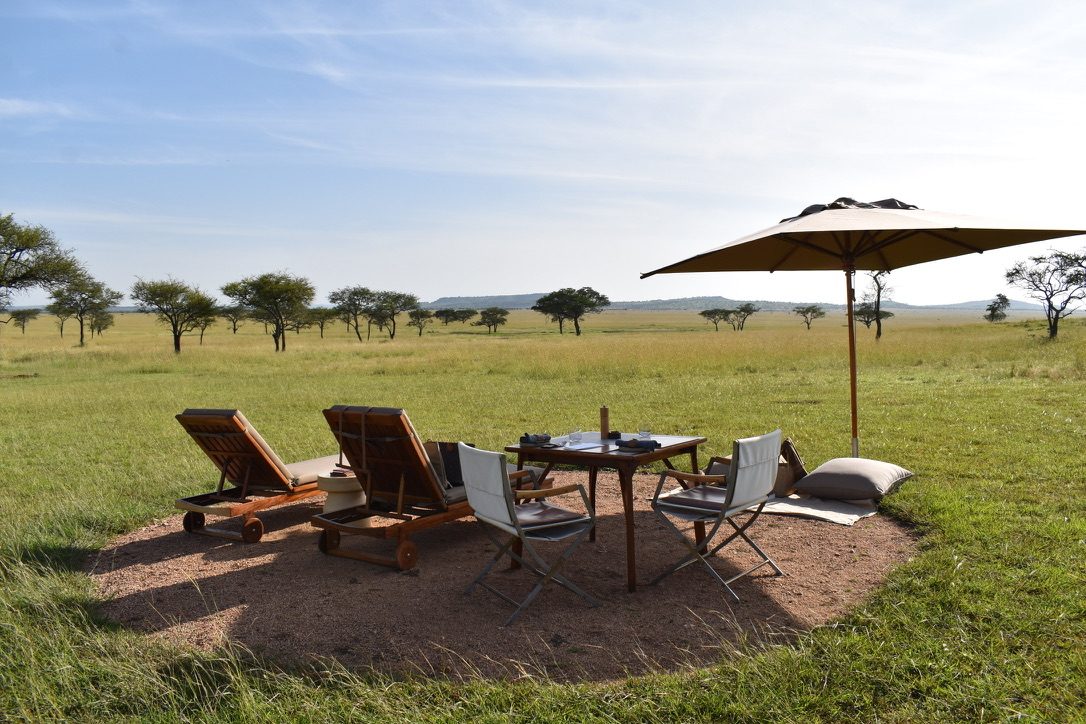
Across Tanzania featuring stays at Singita Sabora, Mwiba Lodge & Manda Bay in Lamu
Before You Go
Planning essentials
When to start planning
12-18 months out
Essential for top-tier lodges during peak season. The best camps have single-digit rooms and book up over a year in advance.
6-12 months out
Ideal for most itineraries. Strong availability across quality lodges with time to craft a thoughtful itinerary.
3-6 months out
Achievable with flexibility on dates or willingness to consider shoulder season, which often delivers exceptional value.
Under 3 months
Possible, particularly in shoulder or green season, though options may be more limited.
A note from Julia
Never compromise on lodge quality for peak season dates. An exceptional lodge in shoulder season will always deliver a better experience than a mediocre property at peak time.
Julia
Understanding safari basics
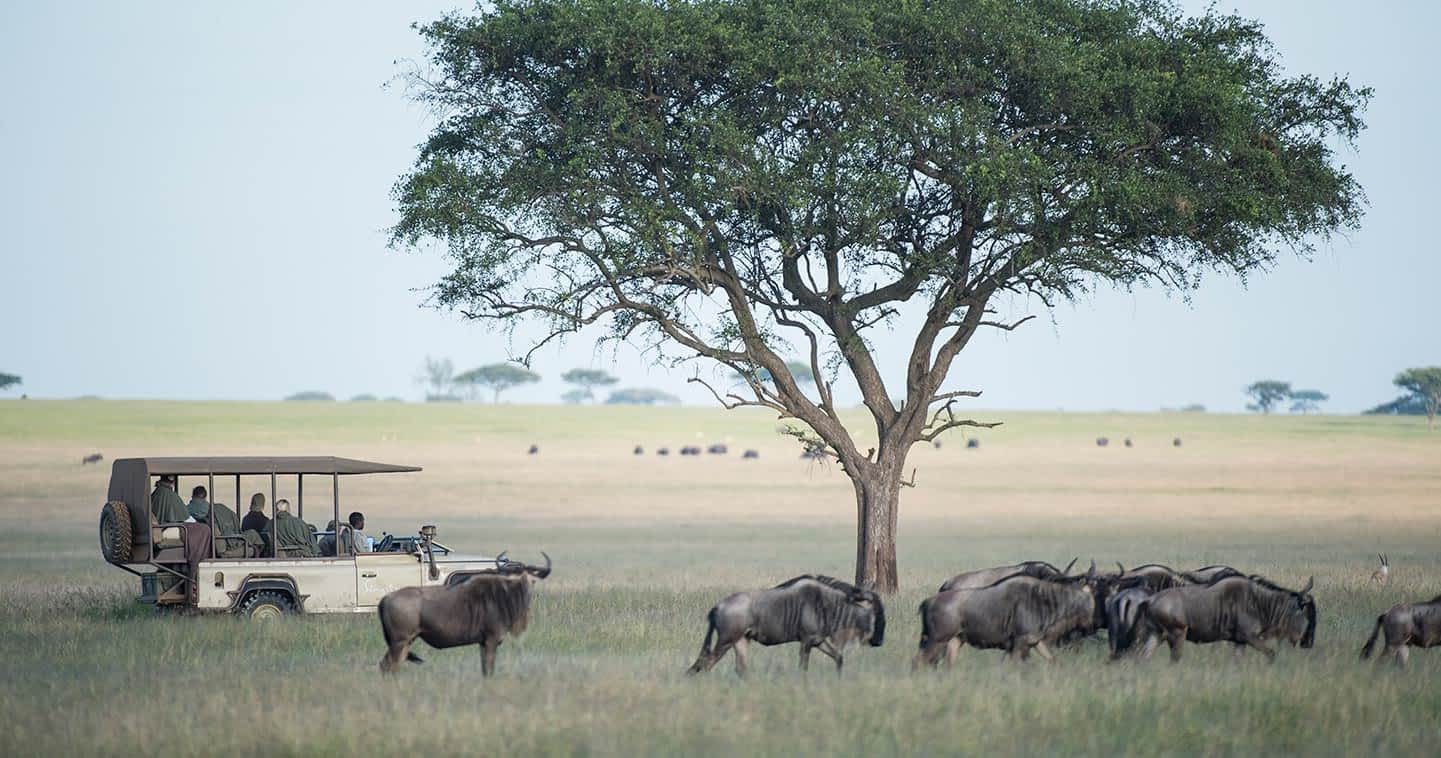
Game drives
The classic experience in open 4x4 vehicles.
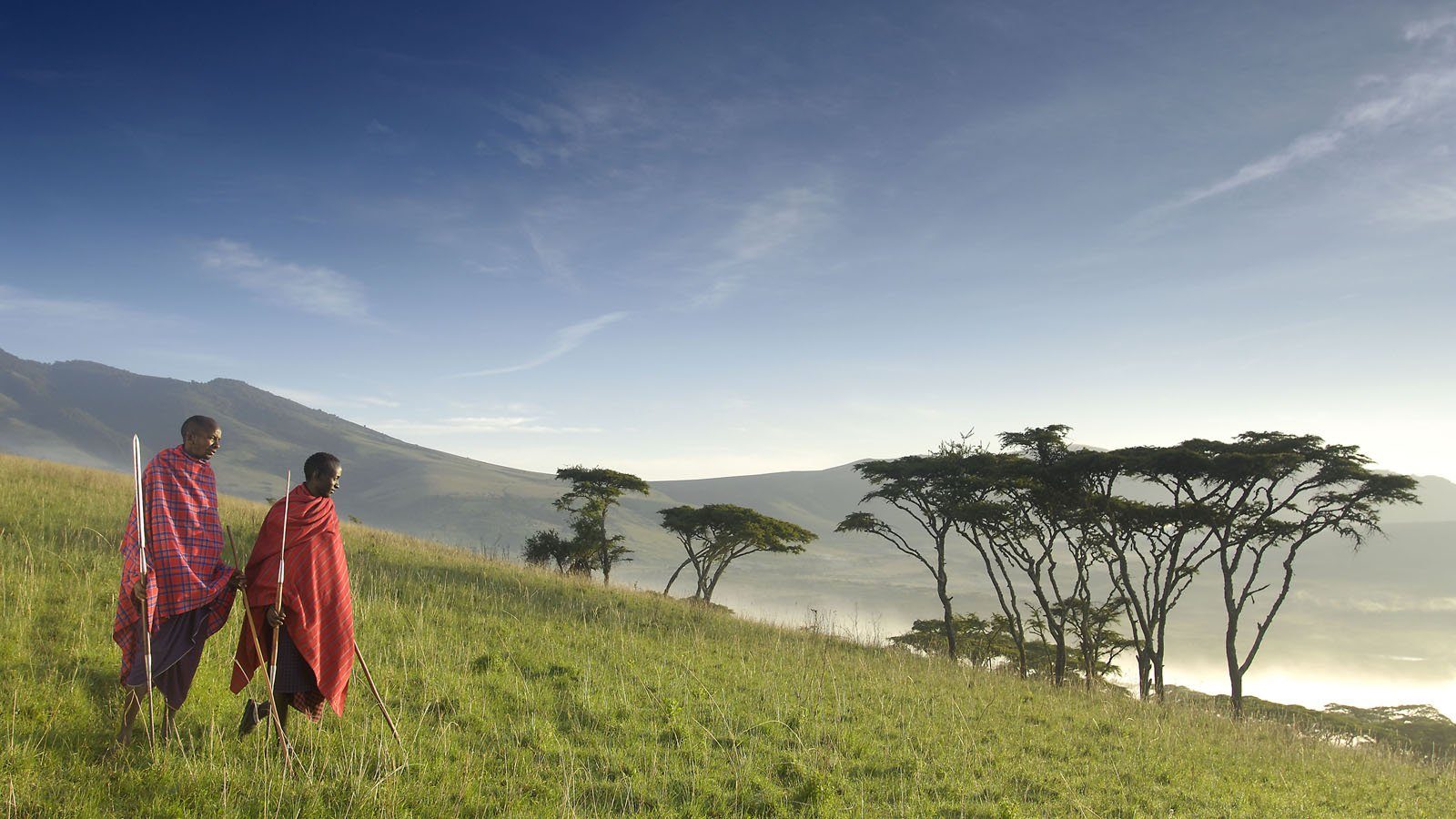
Walking safaris
On foot with armed guides. Intimate and adrenaline-pumping.
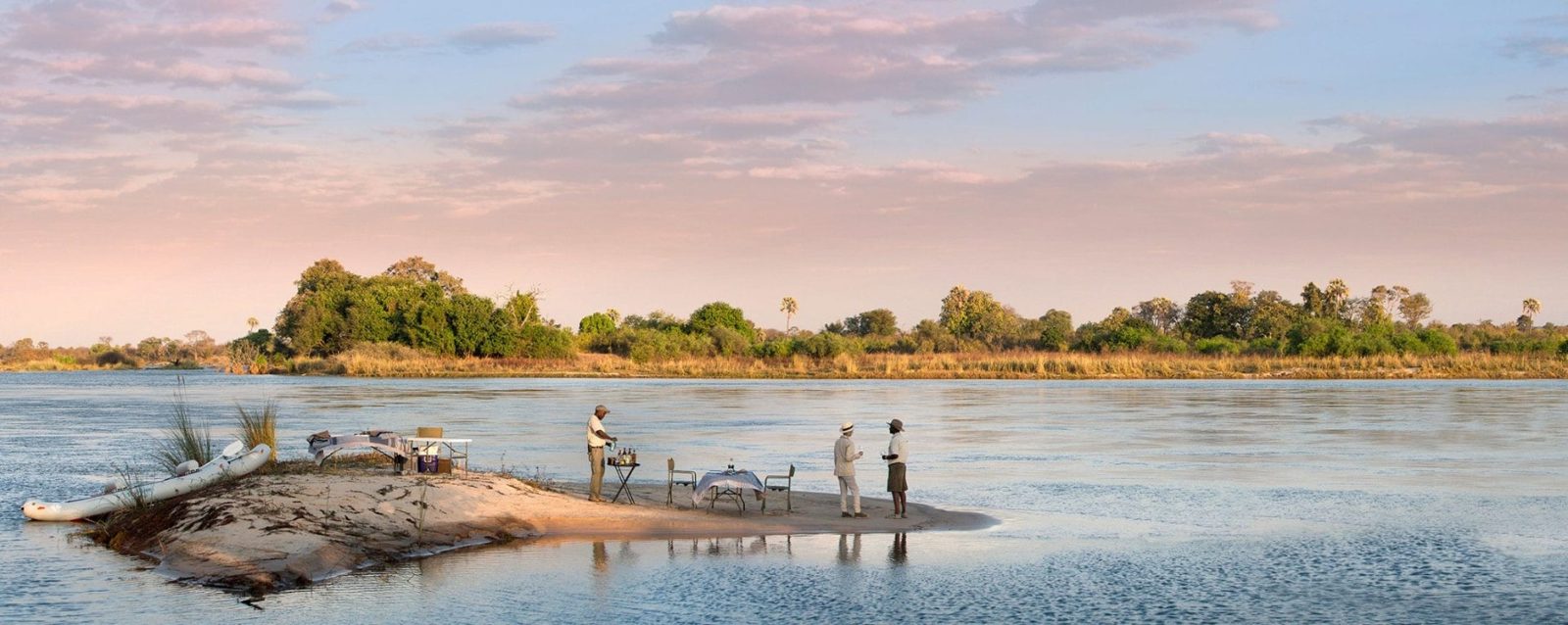
Boat & mokoro safaris
Through waterways, unique to regions like the Okavango Delta.
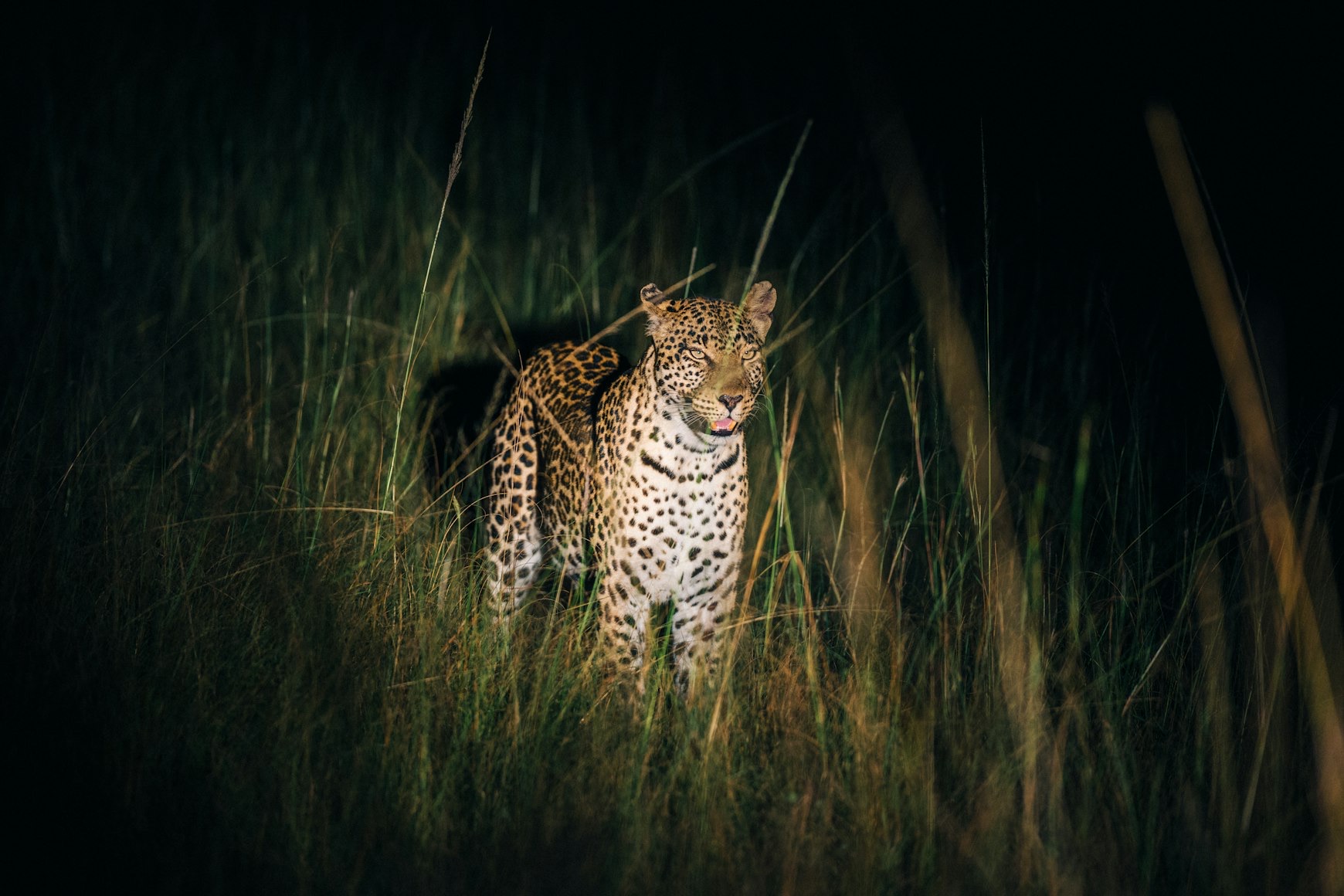
Night drives
Spotlights reveal nocturnal animals. Only in private reserves.
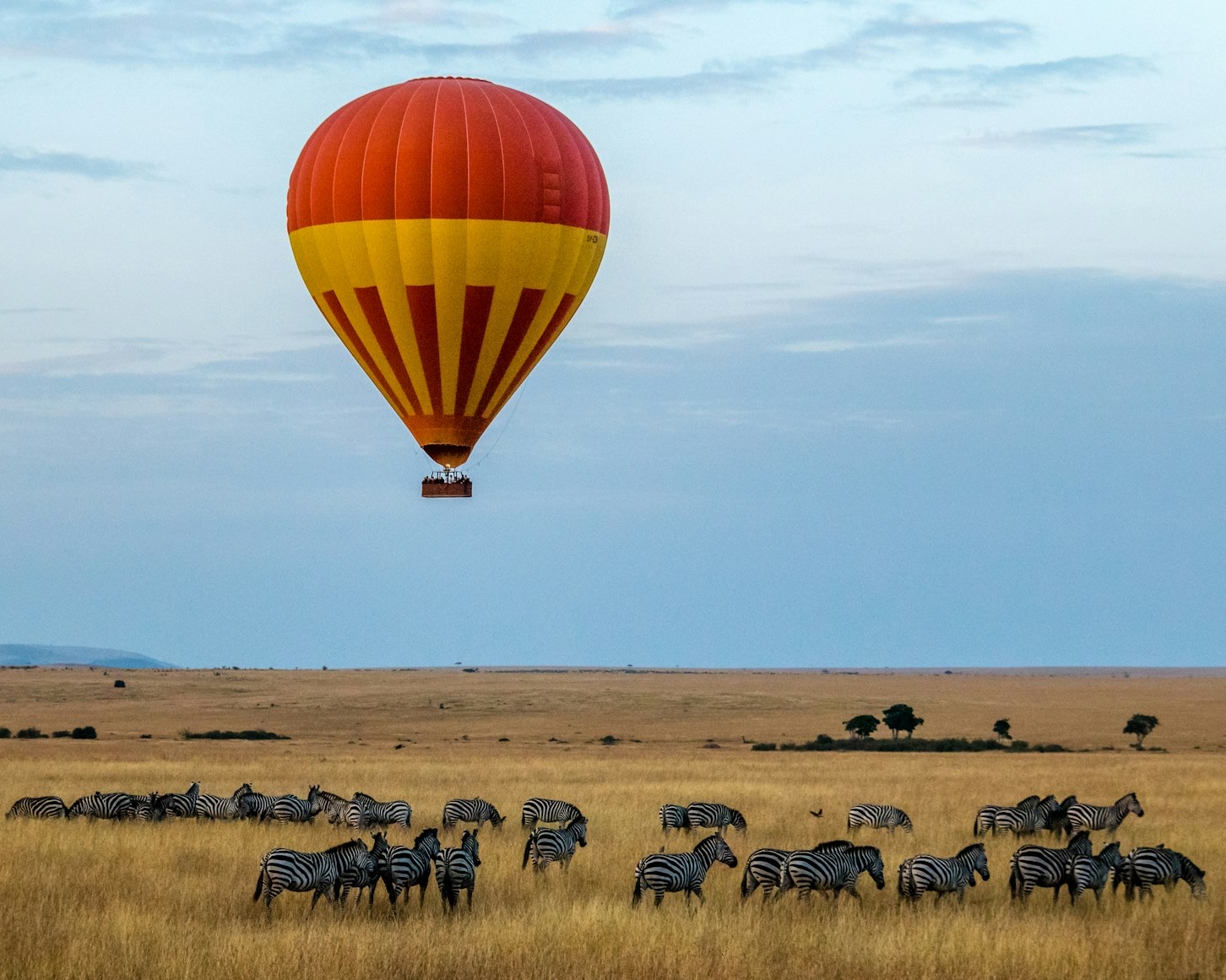
Balloon safaris
Sunrise hot air balloon flights over the plains.
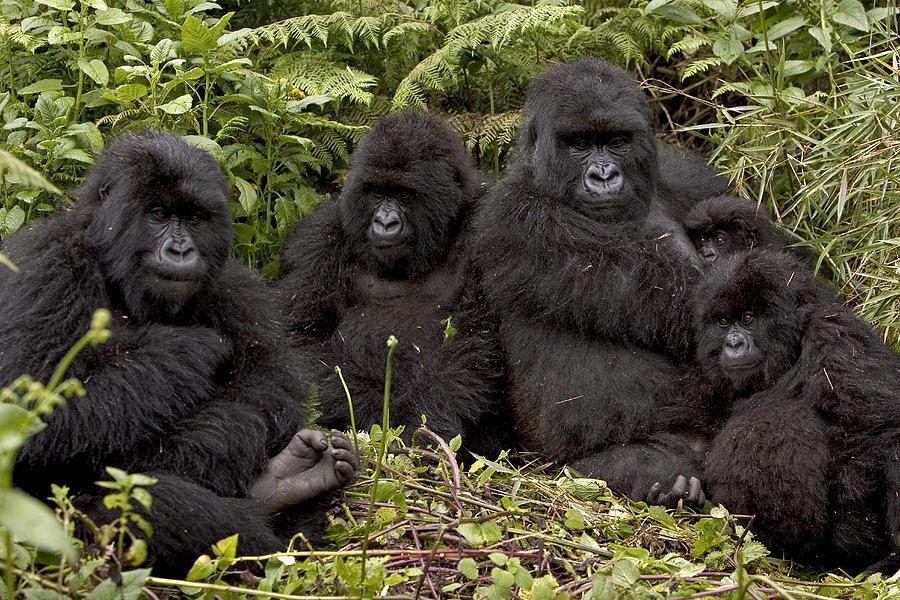
Primate trekking
On foot through rainforest for gorillas and chimps.
Recommended trip length
Nights minimum
For a first-time safari, ideally 2 weeks to see the diversity Africa offers without feeling rushed.
Nights in the bush
Settle into the rhythm and maximize wildlife viewing.
Nights of city time
Bookend with culture, wine country, or urban exploration.
Nights on the beach
Decompress after the intensity of early mornings and game drives.
Dry season vs. green season
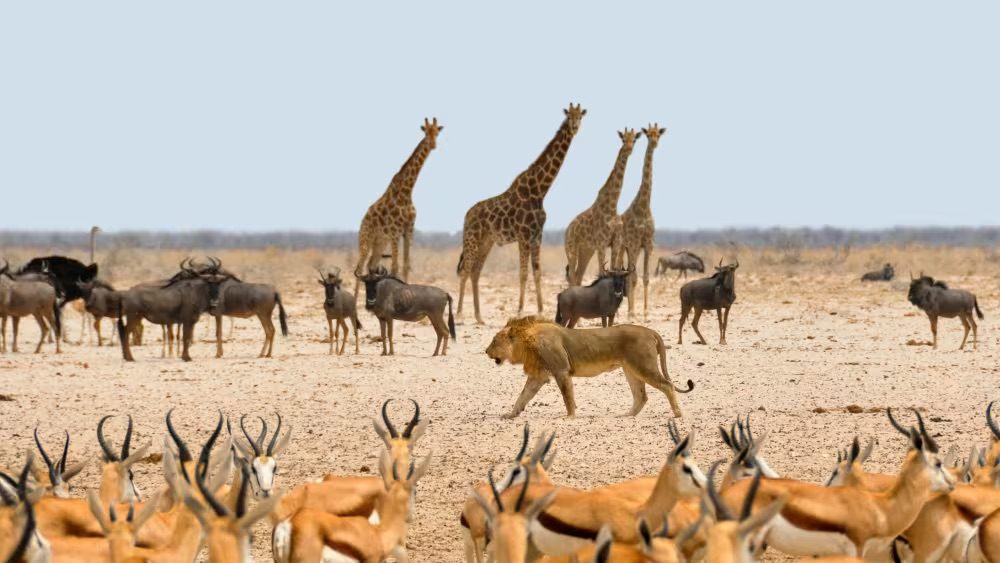
Dry season
- · Sparse vegetation makes animals easier to spot
- · Wildlife concentrates around water sources
- · Comfortable temperatures, clear skies
- · Peak season pricing and crowds
- · "Guaranteed" game viewing
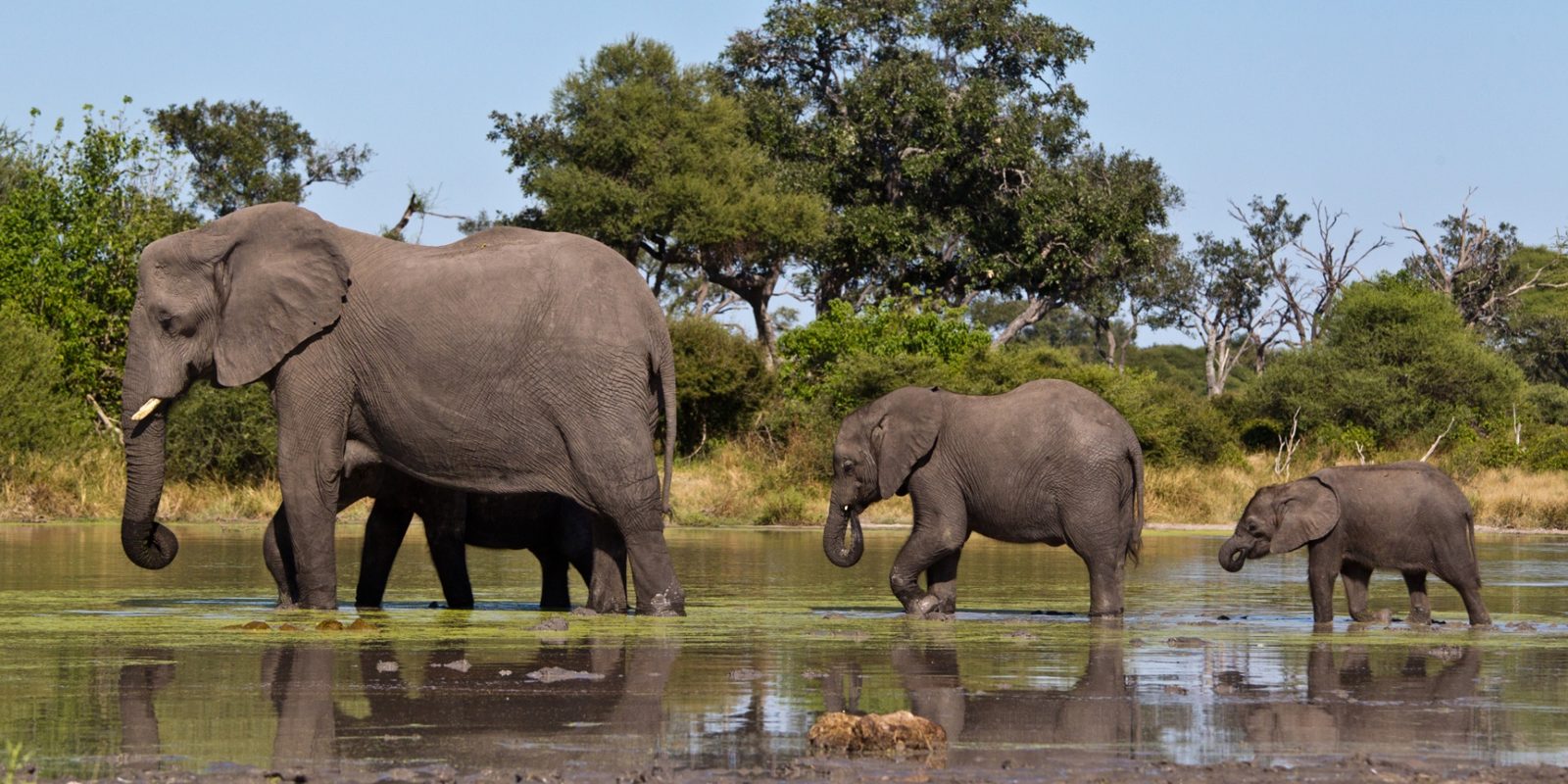
Green season
- · Lush, photogenic landscapes with dramatic clouds
- · Baby animals everywhere
- · Incredible birding as migratory species arrive
- · 40-50% lower rates
- · Far fewer tourists
Neither is "better." Want certainty? Go dry season. Want value, solitude, and drama? Green season can be phenomenal.
Where to Go
Nine destinations, each with its own reason to choose it.
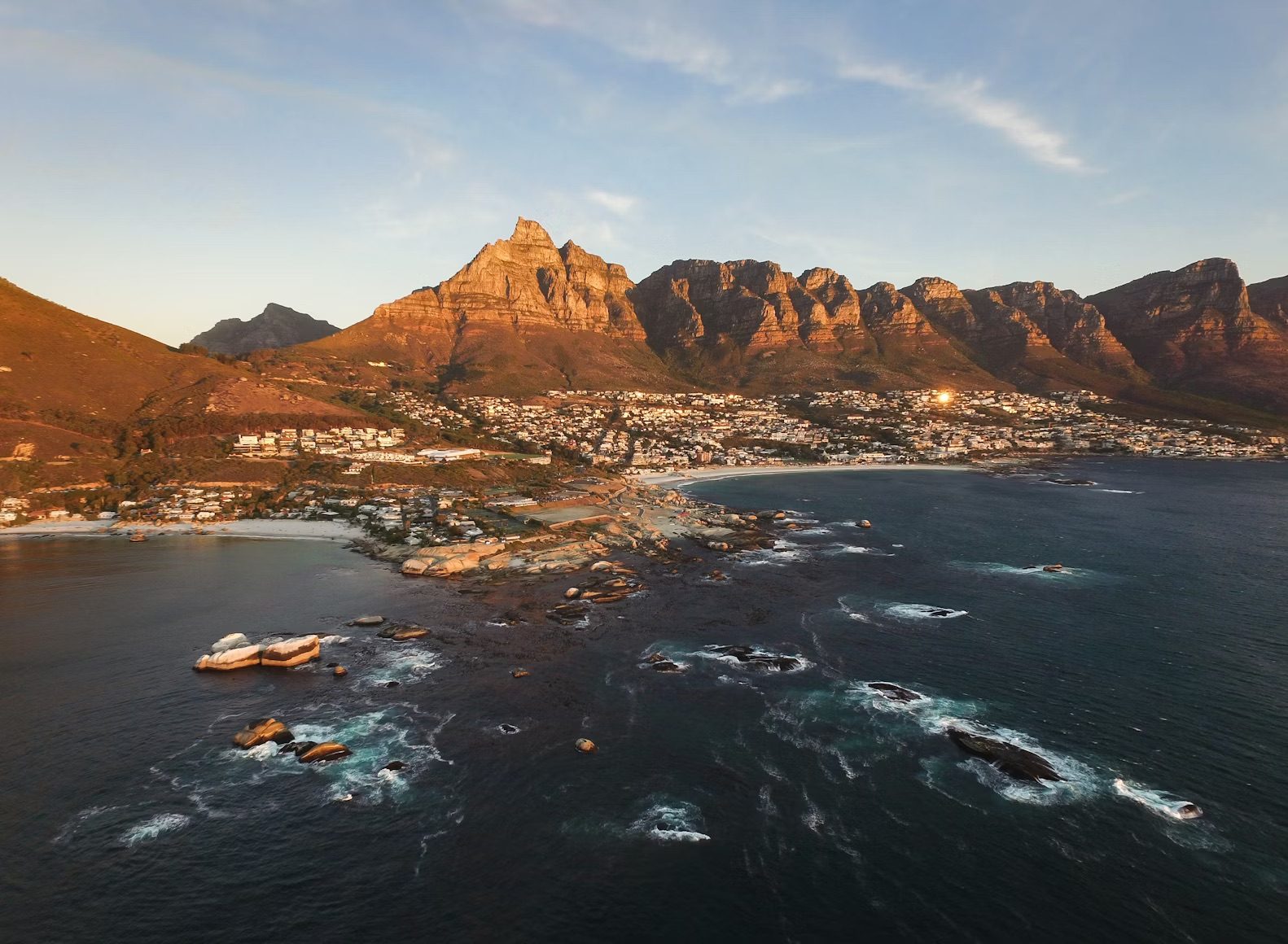
South Africa is safari's most accessible, polished entry point. You can fly directly into major international airports, and many premier reserves connect via short commercial flights. It's the rare African destination where you can combine world-class game viewing with cosmopolitan city life, acclaimed wine regions, and sophisticated infrastructure all in one trip. The country offers "resort-style" safari: lodges with solid walls, air conditioning, world-class spas, and hospitality that feels more hotel than bush camp.
Wildlife highlights
South Africa practically guarantees the Big Five (lion, leopard, elephant, rhino, buffalo). The private reserves bordering Kruger National Park, particularly Sabi Sand, are legendary for leopard sightings. Malaria-free options exist in areas like Madikwe, making it ideal for families with young children.
Best for
- · First-time safari-goers
- · Families seeking malaria-free options
- · Travelers wanting city, wine, and safari in one trip
- · Leopard enthusiasts (Sabi Sand)
Trip length
4-5 nights safari + 3-4 nights Cape Town/Winelands = 7-9 nights total
Investment
$600-$3,500 per person per night depending on property
When to visit
May - Sep
Classic safari season. Sunny days, cold mornings. Excellent game viewing as vegetation thins.
Oct
Intensely hot but phenomenal game viewing. Rates start dropping.
Nov - Mar
Lush landscapes, baby animals, stunning photography. Camps to yourself.
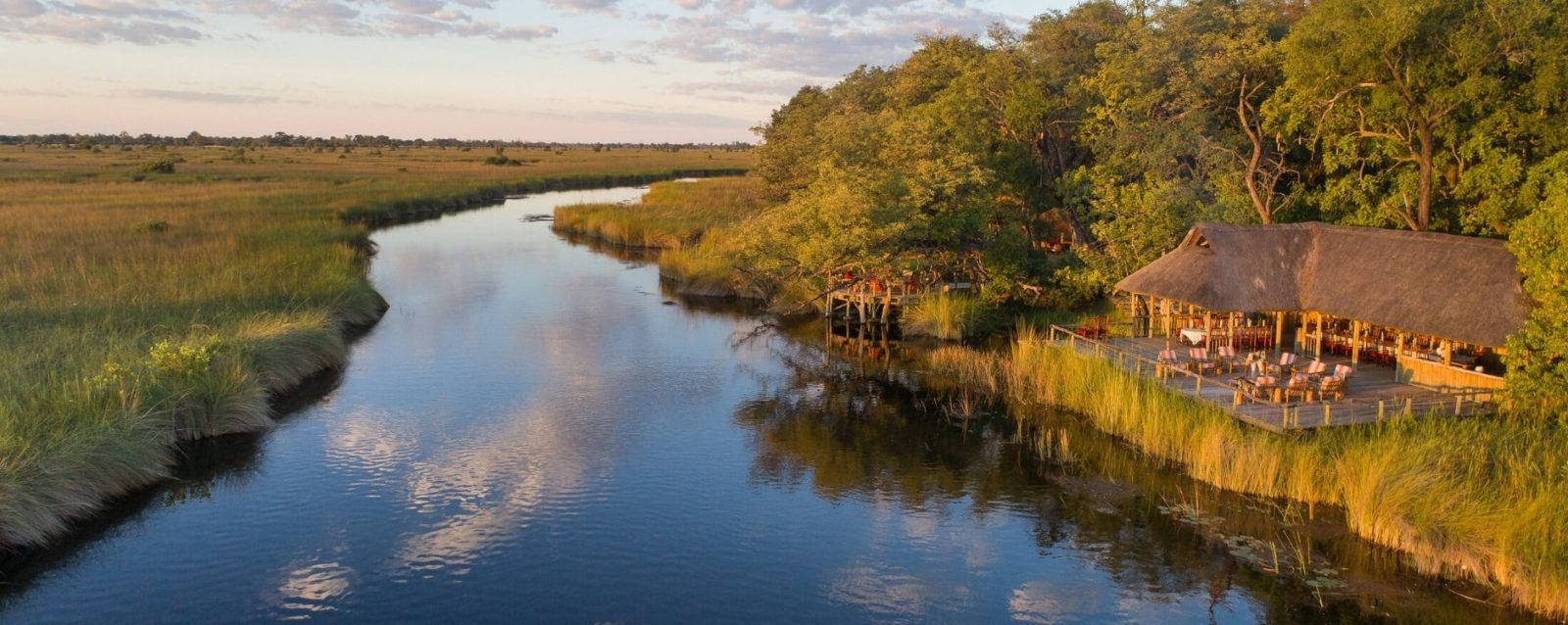
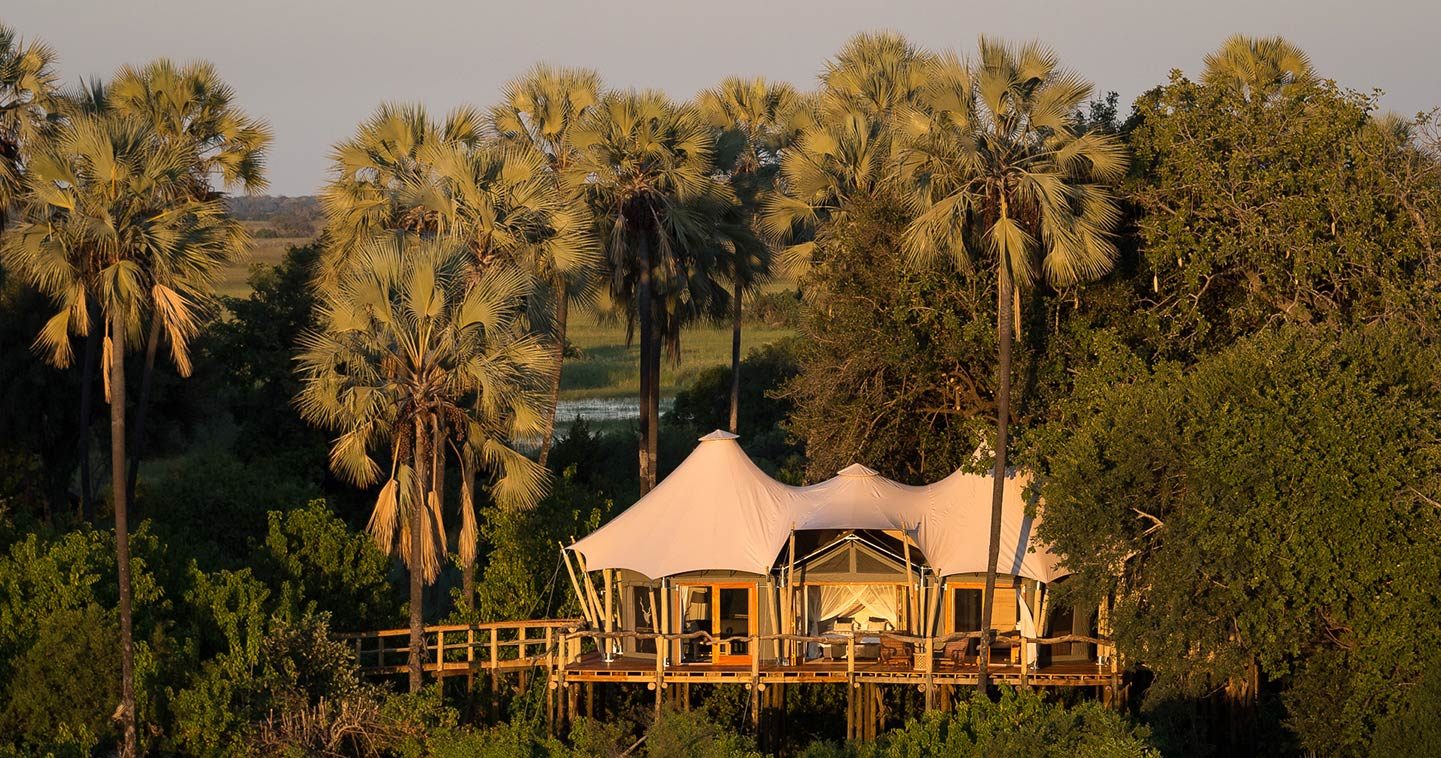
Botswana is safari at its most exclusive and untouched. The government pursued "low-volume, high-value" tourism, meaning fewer camps at higher price points. Nearly 40% of Botswana's land is protected for conservation. The Okavango Delta transforms the Kalahari Desert into glittering waterways, while the Makgadikgadi salt pans and predator-rich Linyanti regions offer completely different experiences.
Wildlife highlights
Botswana is predator heaven. Lions, leopards, cheetahs, wild dogs, and hyenas all thrive here. The Okavango Delta offers unique water-based game viewing: elephants swimming between islands, hippos and crocodiles, incredible birdlife. Chobe has the highest concentration of elephants in Africa (about 120,000).
Best for
- · Travelers who value exclusivity
- · Water lovers (mokoro rides, boat safaris)
- · Those seeking true wilderness with no crowds
- · Honeymooners
Trip length
6-9 nights minimum, split between 2-3 camps
Investment
$1,200-$4,500 per person per night
When to visit
Jun - Oct
Okavango floodwaters arrive Jun-Jul. Peak game viewing Aug-Sep. October is intensely hot but extraordinary.
Nov - Apr
Dramatic storms, lush landscapes, baby animals, rates drop 40-50%. The 'secret season.'
Tanzania is the Africa of your imagination: endless golden savannahs dotted with acacia trees, wildebeest as far as the eye can see. Home to the Serengeti, the Ngorongoro Crater, and Mount Kilimanjaro, Tanzania offers the archetypal safari scene. Close to 25% of land is turned over to national parks and private reserves.
Wildlife highlights
The Great Migration is the main draw: over 1.5 million wildebeest and 200,000 zebra following the rains. Ngorongoro Crater offers the best chance to see rhino in a single game drive. Tarangire has massive elephant herds and ancient baobab trees. The predator density is exceptional.
Best for
- · Migration devotees
- · Photographers
- · Travelers wanting guaranteed Big Five (Ngorongoro)
- · Beach lovers (Zanzibar extension)
Trip length
6-8 nights safari + 3-5 nights beach = 9-13 nights total
Investment
$1,000-$3,500 per person per night
When to visit
Jan - Mar
About 8,000 wildebeest born daily. Staggering predator concentrations in southern Serengeti.
Apr - May
Heavy rainfall. Lodges close or offer deep discounts. Lush but challenging.
Jun
Herds move to Grumeti River. Dramatic crossings with less crowds.
Jul - Sep
Iconic Mara River crossings. Peak crowds and pricing.
Oct - Dec
Herds move south. Good value, still excellent viewing.
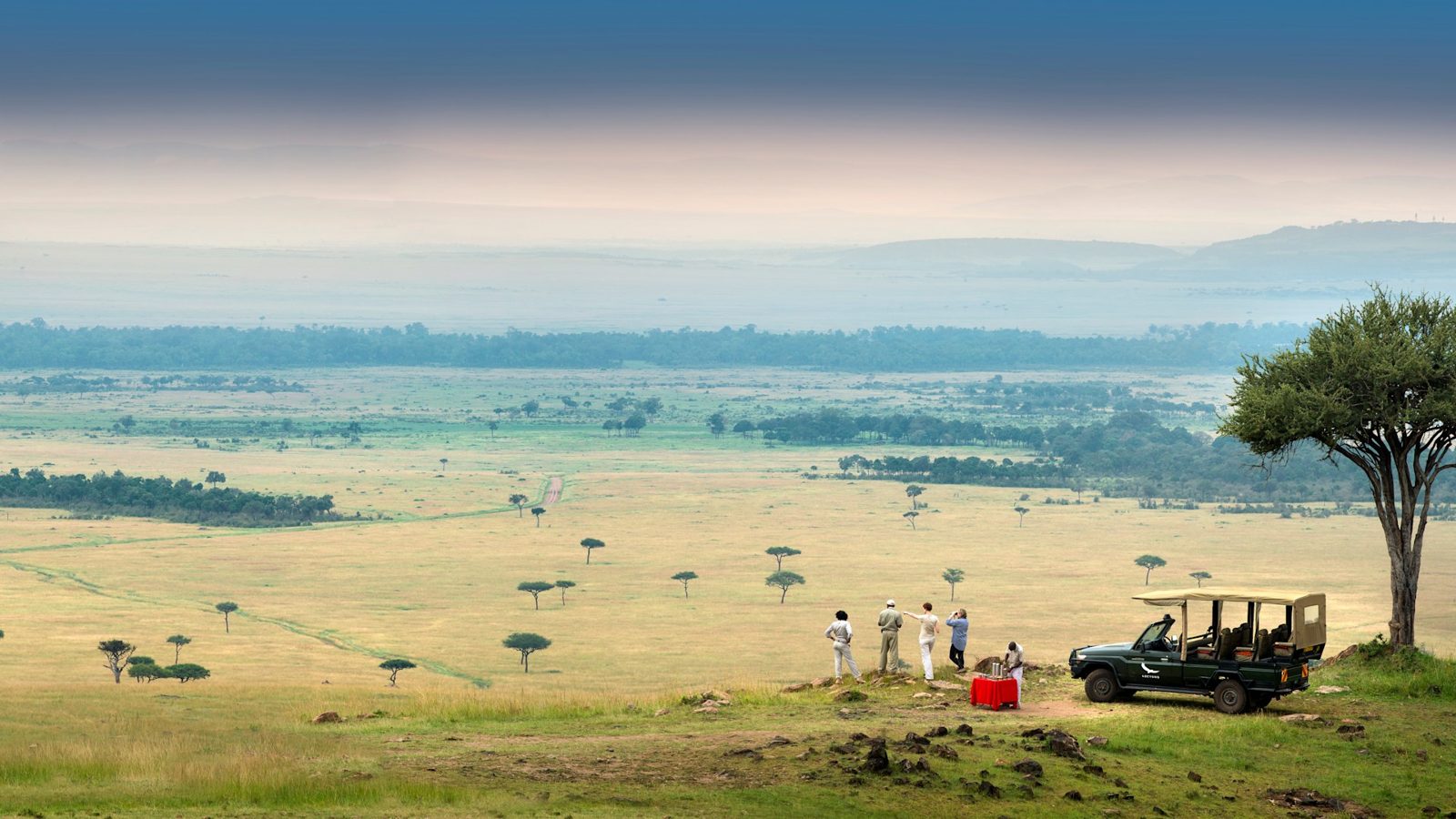
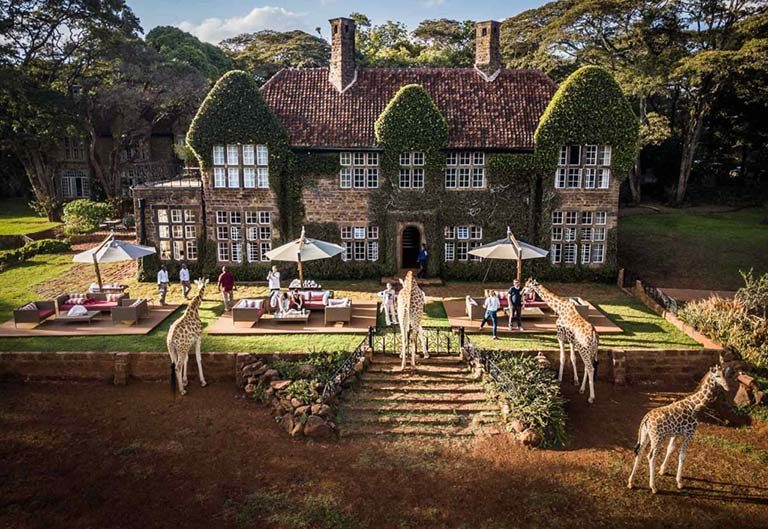
Kenya is where safari was born. The Masai Mara is world-renowned for its predator density. But Kenya offers far more: the northern frontier of Laikipia with unique species, Amboseli's elephant herds with Kilimanjaro behind them, and vibrant Nairobi. Private conservancies now offer Botswana-level exclusivity with strict vehicle limits.
Wildlife highlights
Big cats are the headline act. The Mara's predator density is extraordinary: leopards, lions, and cheetahs all in a single day. The Great Migration spills into the Mara Jul-Oct. In Laikipia, find Grevy's zebra, reticulated giraffe, and rare African wild dog.
Best for
- · First-timers wanting the classic fantasy
- · Predator enthusiasts
- · Cultural immersion (Maasai)
- · Honeymooners (Giraffe Manor)
Trip length
6-8 nights safari + optional 3-5 nights beach = 9-13 nights total
Investment
$800-$3,000 per person per night
When to visit
Jan - Mar
Excellent predator sightings, fewer crowds than migration months.
Apr - May
Heavy rainfall. Many camps close.
Jul - Oct
Peak season. Mara River crossings. Private conservancies maintain exclusivity.
Nov - Dec
Brief showers. Green landscapes, lower rates.
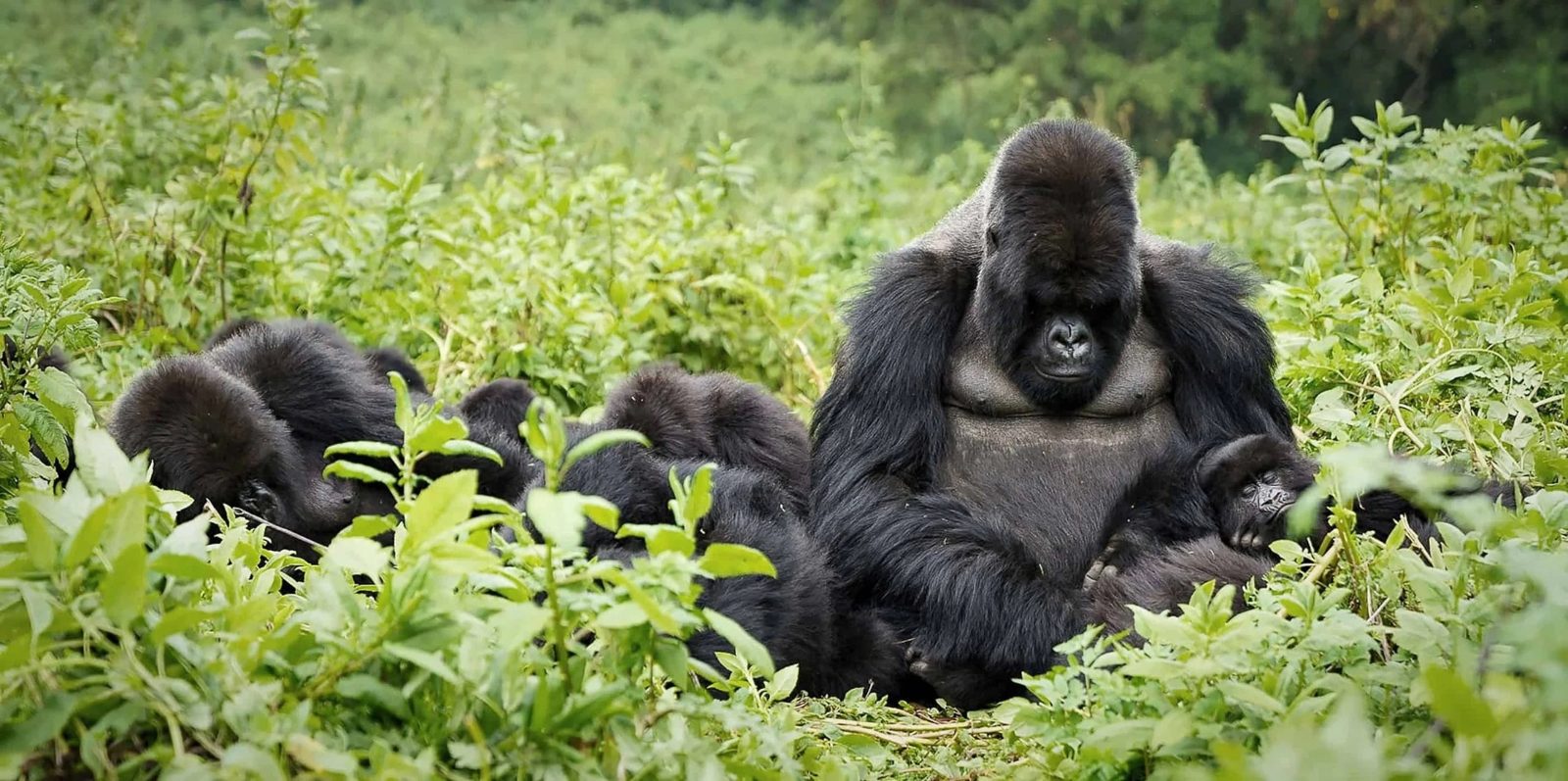
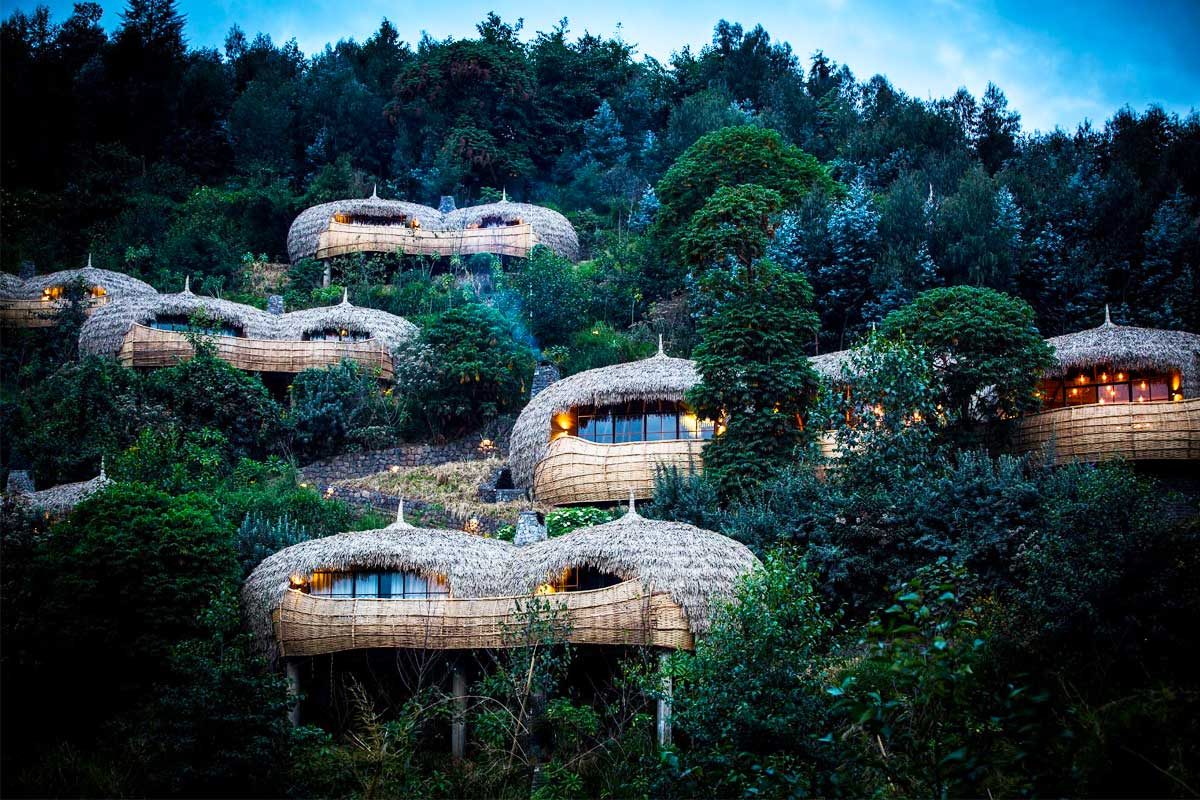
Rwanda is a study in contrasts: sophisticated, clean, safe, and progressive, yet home to one of the world's most raw and emotional wildlife experiences. This tiny country has become synonymous with mountain gorillas. Rwanda hosts approximately half of the world's remaining mountain gorillas. Akagera National Park has been transformed into a Big Five destination.
Wildlife highlights
Mountain gorillas. Trekking through bamboo forests to spend one hour sitting feet from a habituated gorilla family is consistently described as one of the most profound wildlife experiences on earth. Golden monkeys, chimpanzees in Nyungwe Forest, and the Big Five in rewilded Akagera.
Worth knowing
Fitness matters. Trekking at 7,000-10,000ft altitude through dense forest. Porters available and recommended.
Best for
- · Bucket-list seekers
- · Active adventurers (trekking 1-6 hours)
- · Travelers who value ease (2.5hr from Kigali)
- · Combination travelers (pairs with Tanzania/Kenya)
Trip length
3-4 nights gorillas only, or 7-10 nights comprehensive
Investment
Permits: $1,500/person. Lodges: $800-$3,500 per person per night
When to visit
Jun - Sep
Best for gorilla trekking. Trails drier, cooler. Permits book 6-12 months ahead.
Oct - Nov
Trails muddy. Ideal for chimps in Nyungwe. Permits easier to secure.
Dec - Feb
Another excellent window. Slightly warmer.
Mar - May
Challenging conditions. Rates drop significantly.
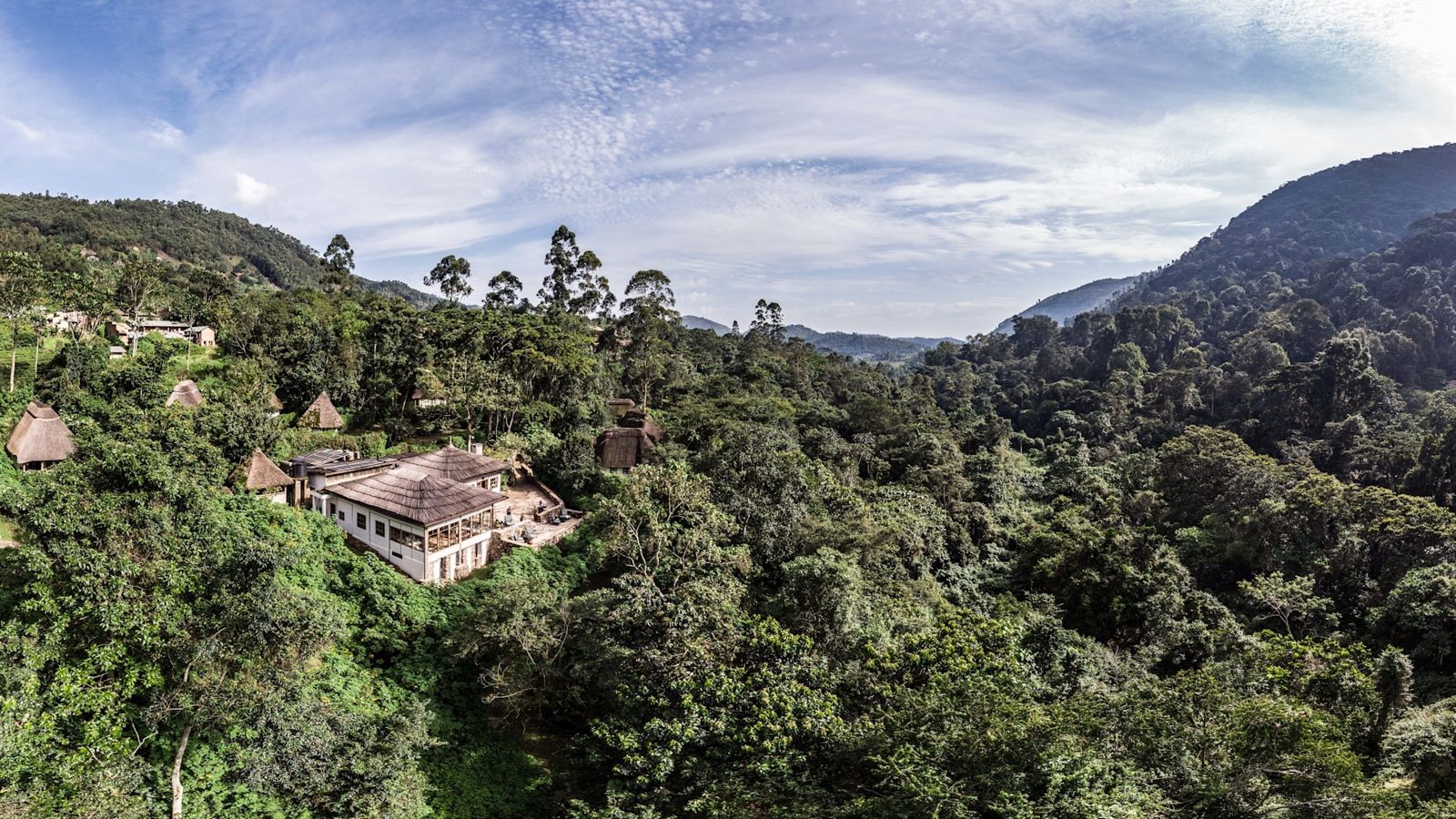
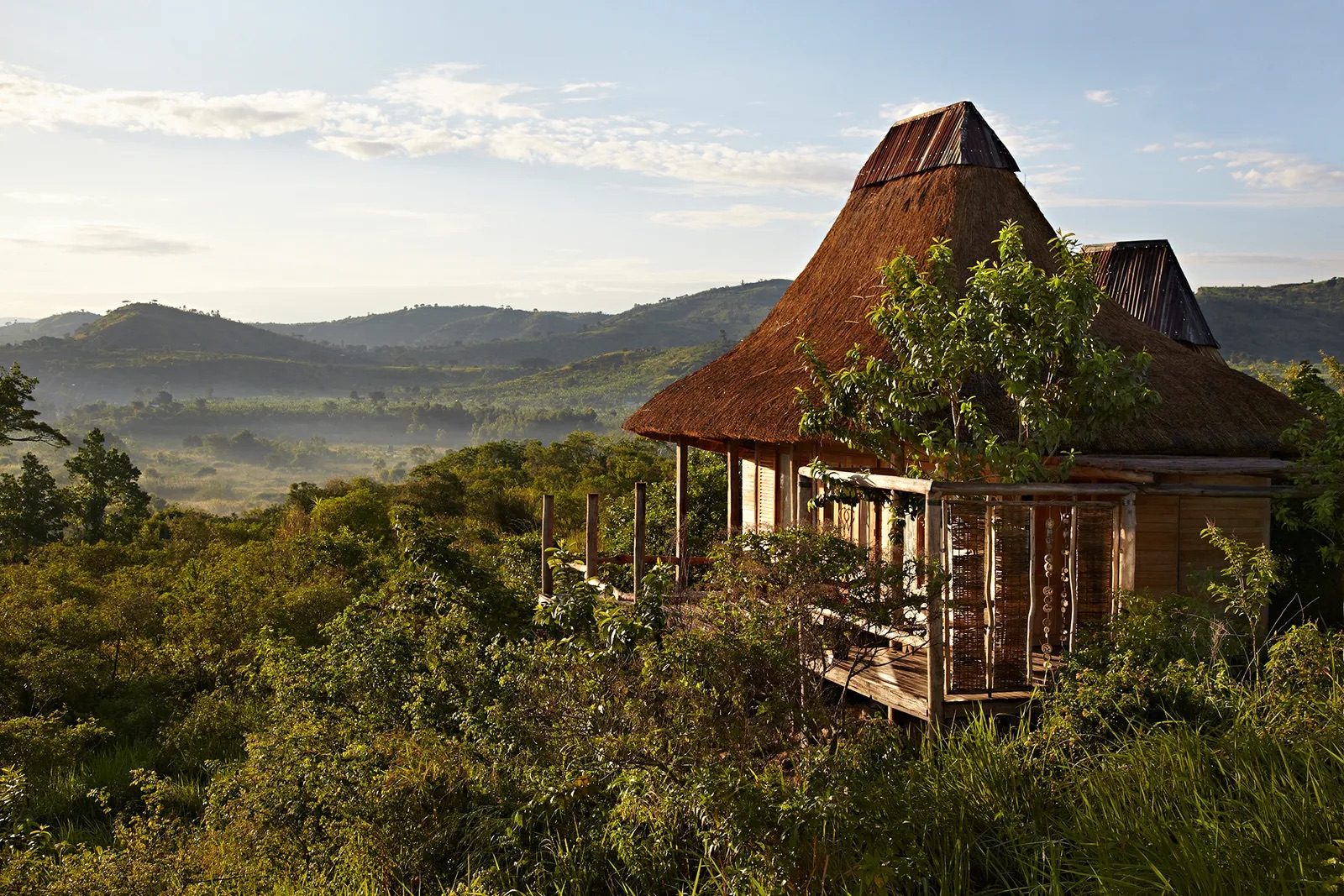
Uganda is Rwanda's wilder, more adventurous counterpart. Bwindi Impenetrable Forest lives up to its name. What sets Uganda apart is the gorilla habituation experience: a four-hour encounter where you join researchers. Kibale Forest has the highest concentration of primates in Africa, including over 1,500 chimpanzees.
Wildlife highlights
Mountain gorillas plus the unique four-hour habituation experience. Kibale Forest offers Africa's best chimp trekking with a 95% success rate. Tree-climbing lions in Queen Elizabeth NP, massive hippo populations along the Nile, and over 1,000 bird species.
Best for
- · Adventurous travelers
- · Budget-conscious gorilla trekkers ($800 vs Rwanda's $1,500)
- · Serious primate enthusiasts
- · Chimp lovers (Kibale Forest)
Trip length
3-4 nights gorillas only, or 8-12 nights comprehensive
Investment
Permits: $800 standard, $1,500 habituation. Lodges: $700-$1,500 per person per night
When to visit
Jun - Sep
Best for gorilla and chimp trekking. Trails relatively drier.
Dec - Feb
Good conditions, less crowded.
Oct - Nov
Good for chimps. Lower rates.
Mar - May
Challenging trails. Deep discounts.
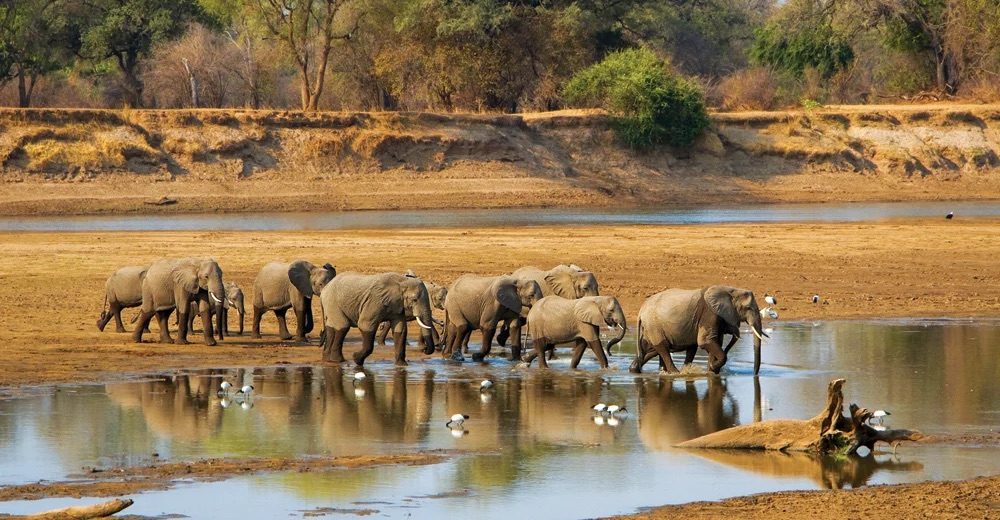
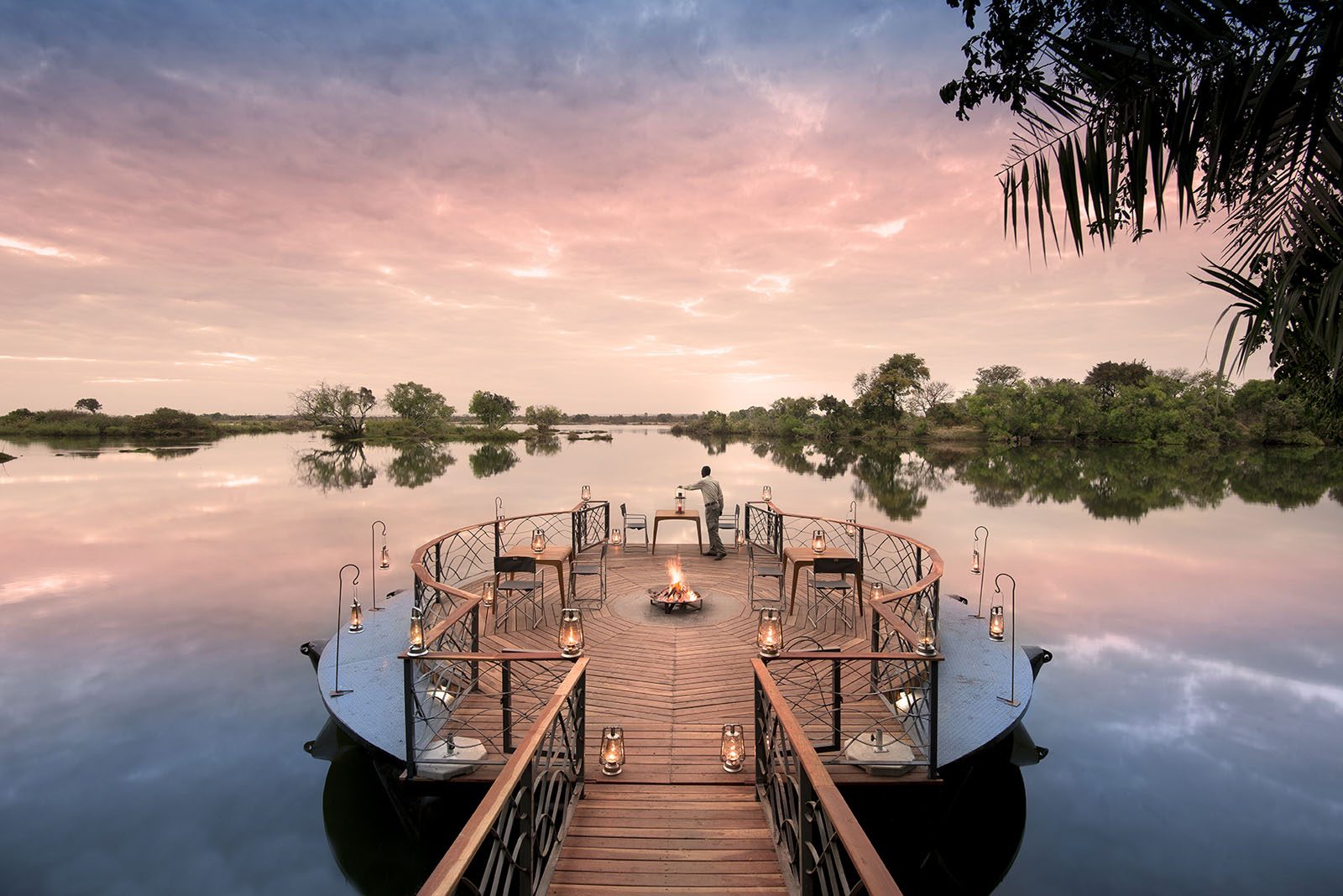
Zambia is where walking safari was born. In the 1950s, legendary guide Norman Carr pioneered exploring the bush on foot. South Luangwa is intimate and predator-rich. Lower Zambezi is all about water: canoe safaris drifting past hippos, fishing for tigerfish. Add Victoria Falls for adventure.
Wildlife highlights
South Luangwa is leopard country, rivaling Sabi Sand. Massive elephant herds, healthy lion populations, wild dog sightings. Thornicroft's giraffe and Cookson's wildebeest are endemic. Lower Zambezi has lions hunting in shallows and elephants crossing between islands.
Best for
- · Active travelers wanting bush on foot
- · Repeat safari-goers seeking intimacy
- · River lovers (canoe safaris)
- · Value seekers
Trip length
6-9 nights, split between South Luangwa and Lower Zambezi
Investment
$600-$1,800 per person per night
When to visit
Jun - Oct
Walking safari conditions ideal. Wildlife concentrates around water. Sep-Oct intensely hot but extraordinary.
Nov - Apr
Dramatic storms, baby animals. Many walking camps close Jan-Mar.
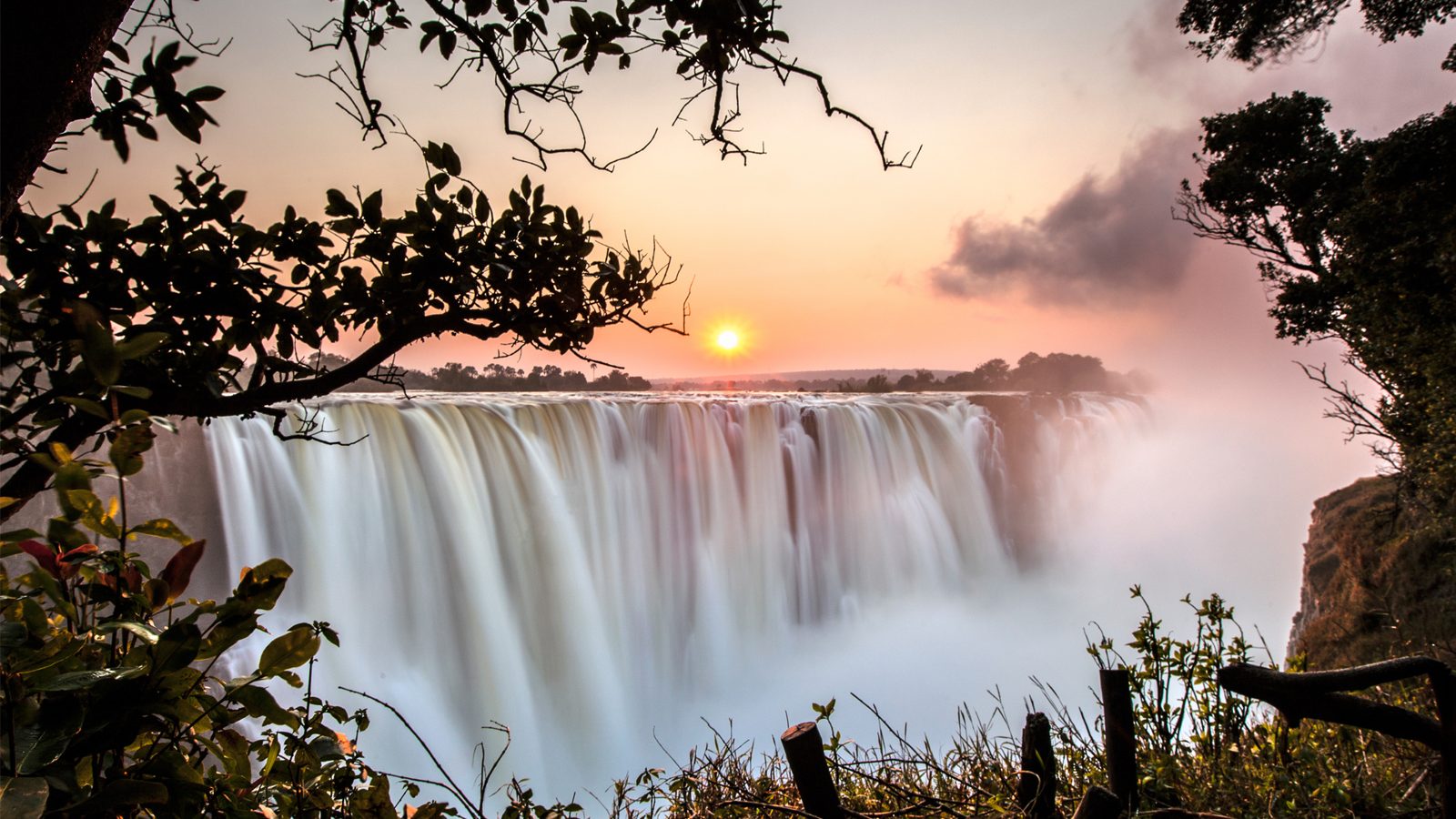
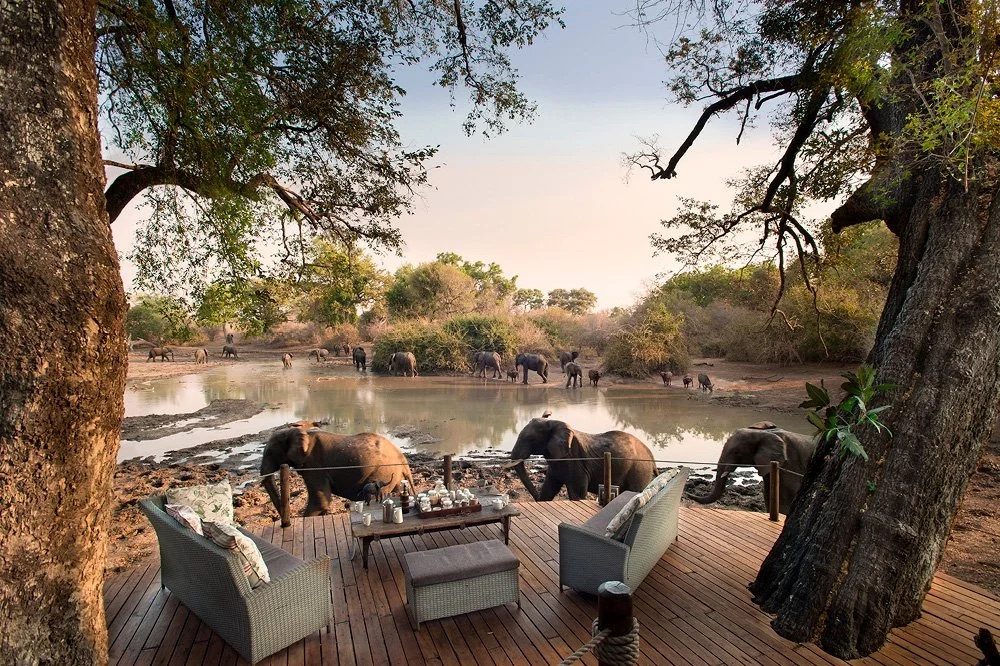
Zimbabwe offers game viewing on par with premier destinations at a fraction of the cost. Think Botswana-quality at South Africa prices. Add Victoria Falls, nearly twice as tall as Niagara Falls, and you have compelling value and spectacle. Zimbabwe is home to some of Africa's most experienced and passionate guides.
Wildlife highlights
Hwange's massive elephant herds gather at waterholes in staggering numbers, often 100 or more at a time. Mana Pools on the Zambezi allows intimate walking safaris and canoe trips. Wild dogs, lions, leopards, and both black and white rhino in a single trip.
Best for
- · Value seekers
- · Victoria Falls enthusiasts
- · Walking safari lovers (Mana Pools)
- · Adventure travelers (rafting, bungee, canoeing)
Trip length
6-9 nights, split between Vic Falls and Hwange or Mana Pools
Investment
$500-$1,800 per person per night
When to visit
May - Oct
Classic season. May-Jun excellent value. Sep-Oct intense heat but best viewing. Victoria Falls peaks Feb-May.
Nov - Apr
Lush, green, baby animals. 30-50% off peak rates.
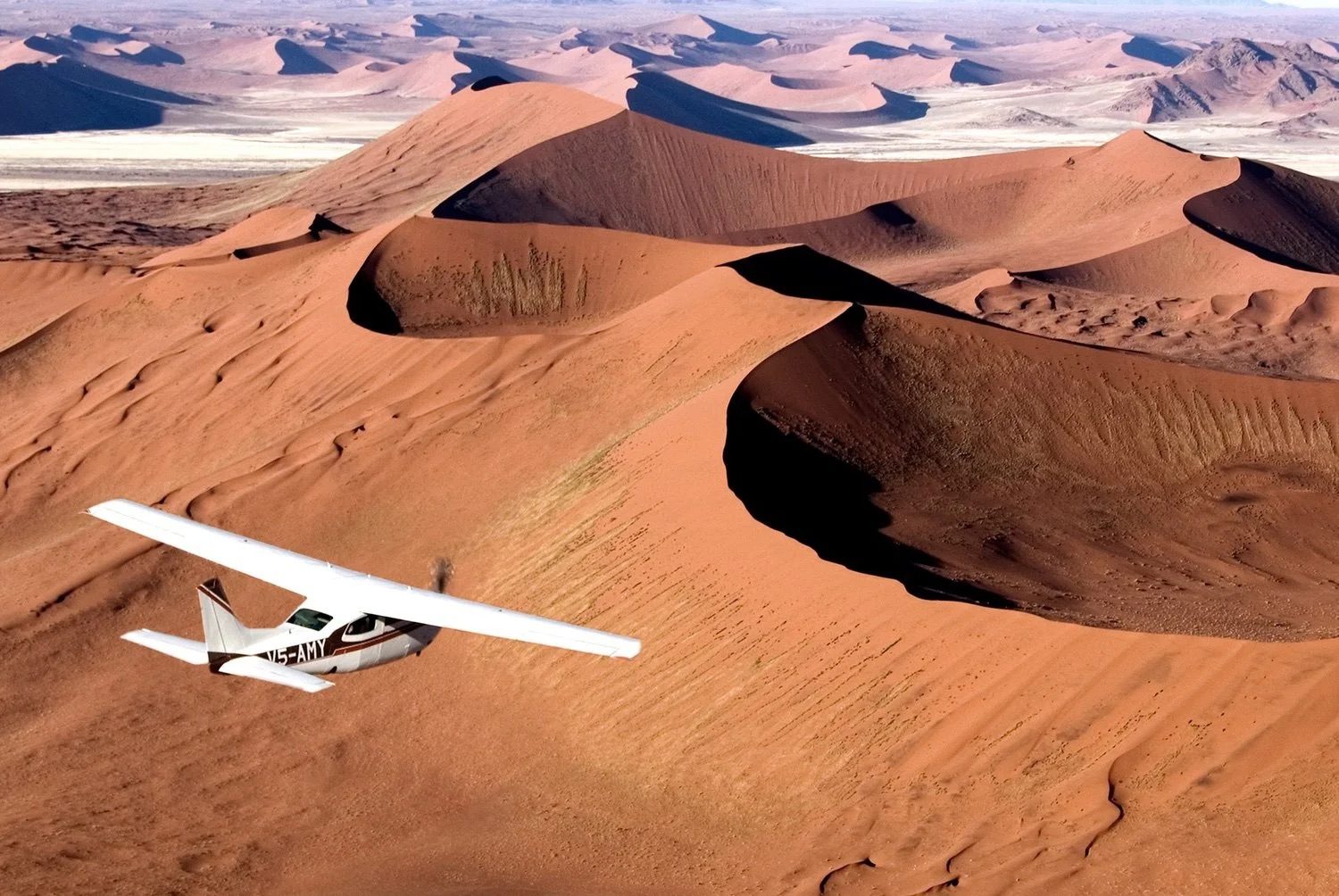
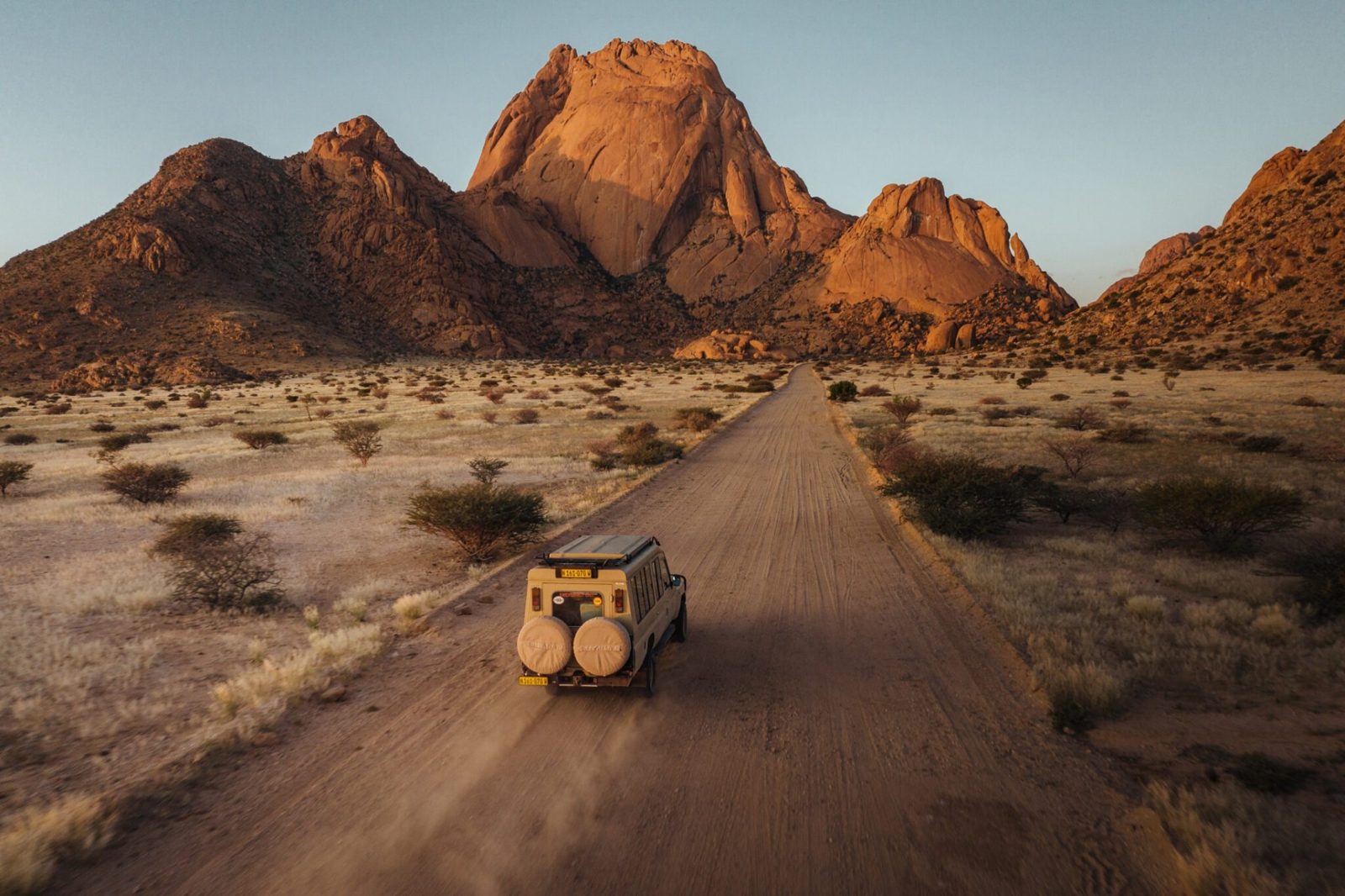
Namibia is Africa's landscape safari. The Namib Desert is the oldest desert on earth, with towering red sand dunes reaching over 300m. The Skeleton Coast is fog-shrouded and littered with shipwrecks. Twice the size of California with only 2.2 million people, Namibia offers space and silence on a staggering scale. This is also one of Africa's best self-drive destinations.
Wildlife highlights
Desert-adapted elephants and lions have evolved to survive in impossible conditions. Etosha National Park delivers massive elephant herds, black rhino, lions, leopards, and cheetahs around its salt pan waterholes. Hartmann's mountain zebra and the largest free-roaming black rhino population in Africa.
Best for
- · Landscape and photography enthusiasts
- · Second/third safari-goers wanting something different
- · Self-drive adventurers
- · Stargazers (darkest skies on earth)
Trip length
10-14 nights for comprehensive experience
Investment
$300-$2,200 per person per night (self-drive to luxury fly-in)
When to visit
May - Sep
Best game viewing in Etosha. Comfortable temperatures. Skeleton Coast at its most atmospheric.
Oct
Very hot but peak wildlife concentrations around water.
Nov - Apr
Desert blooms after rains. Game dispersed. Far fewer tourists.
Which Safari Is Right for You?
First-timers
Your first safari should deliver on the dream: guaranteed wildlife, comfortable logistics, and an experience that feels both adventurous and accessible.
- South AfricaThe polished introductionEasy access via international flights; comfort with A/C, spas, and hotel-like hospitality; guaranteed Big Five in Sabi Sand; malaria-free options; combine with Cape Town and wine country.
- KenyaClassic safari fantasyIconic landscapes and Maasai culture; extraordinary predator density in the Mara; Great Migration river crossings Jul-Oct; private conservancies with Botswana-level exclusivity; easy beach add-on (Lamu, Diani).
- BotswanaPremium first safariLow-volume exclusivity with strict vehicle limits; water and land safari experiences; consistently among the best-trained guides; true wilderness with no crowds; higher price point but unparalleled quality.
For most first-timers, I suggest South Africa or Kenya. If your budget allows and you want the absolute best, Botswana is unparalleled.
Families
Safari with children requires careful planning. Age restrictions, malaria zones, and long game drives can make some destinations challenging.
- South AfricaThe family-friendly winnerMalaria-free options (Madikwe, Eastern Cape); shorter flights, even drivable from Johannesburg; dedicated kids' programs and family suites; break up drives with beach, city, or winelands.
- KenyaCultural engagementFamily-run lodges designed around families; horseback riding, camel treks, community visits; private guides allow flexible shorter drives; elephant sanctuaries kids adore.
- Things kids love on safariTracking animal spoor, junior ranger programs, visiting local schools, baking with camp chefs, swimming pools, and waterhole watching.
South Africa's malaria-free reserves are ideal for families with children under 8. Kenya works beautifully for kids 6 to 12.
Repeat visitors
Once you've done the classic Big Five safari, the next trip should offer something different: wilder destinations, specialized experiences, or ecosystems you haven't seen.
- ZambiaWalking safari birthplace. South Luangwa's leopard density, Lower Zambezi canoe safaris, Victoria Falls adventure.
- ZimbabweBotswana-quality at South Africa prices. Mana Pools walking and canoeing, Hwange's massive elephant herds.
- NamibiaAfrica's landscape safari. Oldest desert on earth, Skeleton Coast, self-drive adventures, world-class stargazing.
- UgandaFour-hour gorilla habituation (unique to Uganda), the best chimp trekking in Africa, tree-climbing lions.
Better Together
Safari is almost always better when you experience contrast: wetlands paired with desert, open plains followed by dense forest.
10-12 nights
Botswana + Namibia
Wetlands to Desert
Start in Botswana's Okavango Delta where water transforms the Kalahari into glittering channels. Then fly to Namibia's Namib Desert, the oldest desert on earth.
Why it works: You go from one of the world's most productive wetlands to its oldest desert in a single trip. The contrast is staggering.
10-14 nights
Kenya + Tanzania
Mara + Serengeti Migration Corridor
The Great Migration doesn't stop at borders. Experience both countries to see different stages of this epic journey.
Why it works: Best of East Africa's migration spectacle, diverse ecosystems, and different cultural experiences.
10-12 nights
Rwanda + Tanzania
Gorillas + Plains
Start in Rwanda's misty mountains for gorilla trekking, then descend to Tanzania's endless Serengeti plains for classic Big Five safari.
Why it works: Two bucket-list experiences in one trip. Gorilla trekking is deeply moving; Serengeti safari is classic and cinematic.
12-14 nights
South Africa + Botswana
Polished to Wild
Ease into Africa with South Africa's polished safari, wine country, and Cape Town, then venture to Botswana for raw wilderness.
Why it works: South Africa offers accessibility and polish. Botswana offers the wild heart with exclusivity. The progression feels natural.
10-12 nights
Zambia + Zimbabwe
River-Focused Safari
Both center around the Zambezi River and share Victoria Falls. Combine walking safaris with canoeing and one of the Seven Natural Wonders.
Why it works: Two different takes on river-based safari, plus Victoria Falls as a spectacular centerpiece. Exceptional value.
11-14 nights
Uganda + Kenya
Primates + Plains
Trek for gorillas and chimps in Uganda's dense rainforests, then head to Kenya's Masai Mara for classic savannah safari.
Why it works: Completely different ecosystems, different animals, different activity levels. The variety keeps the trip dynamic.
How to choose your pairing
- Gorillas?Pair Rwanda or Uganda with Kenya or Tanzania.
- Migration?Focus on the Kenya + Tanzania corridor.
- Maximum exclusivity?Botswana as anchor, paired with Namibia or South Africa.
- Best value?Zambia + Zimbabwe deliver exceptional safari at accessible prices.
The Perfect Wind-Down
By the end of your time in the bush, you may crave nothing more than to relax by a pool or on a beach. Build in time to decompress.
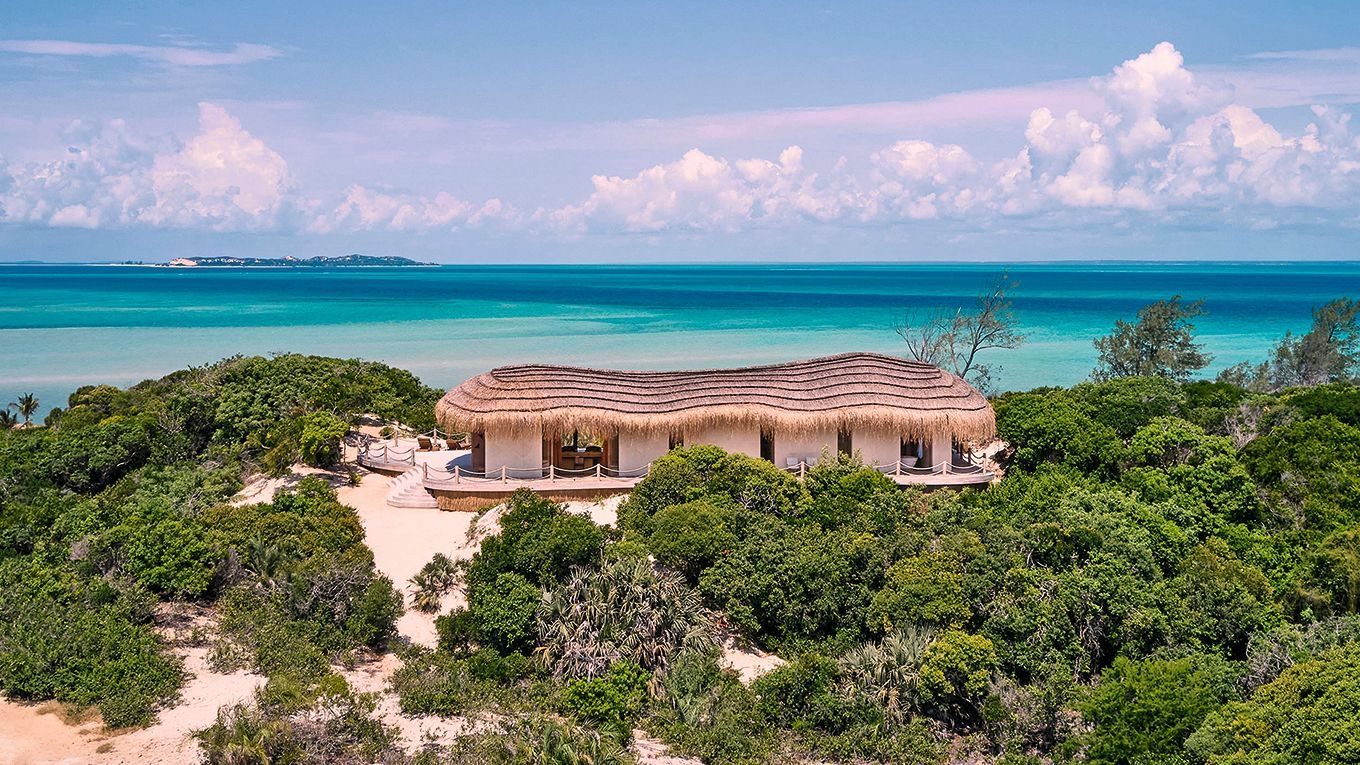 MozambiqueSouthern Africa · The Emerging Beach DestinationBazaruto Archipelago: powder-white sand, marine park, dugongs and turtles; Quirimbas Archipelago: remote, traditional dhow sailing, incredible diving; Portuguese-influenced culture, legendary prawns. Best after: South Africa, Botswana, Zambia, Zimbabwe.
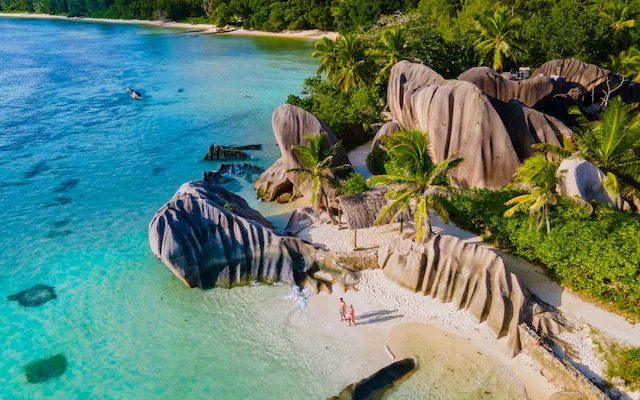 SeychellesIndian Ocean · Ultimate Luxury IslandsGranite boulders framing white sand beaches; North Island: ultra-exclusive private island; Praslin and La Digue: spectacular accessible beaches. Best after: Any safari destination (direct flights from Johannesburg and Nairobi).
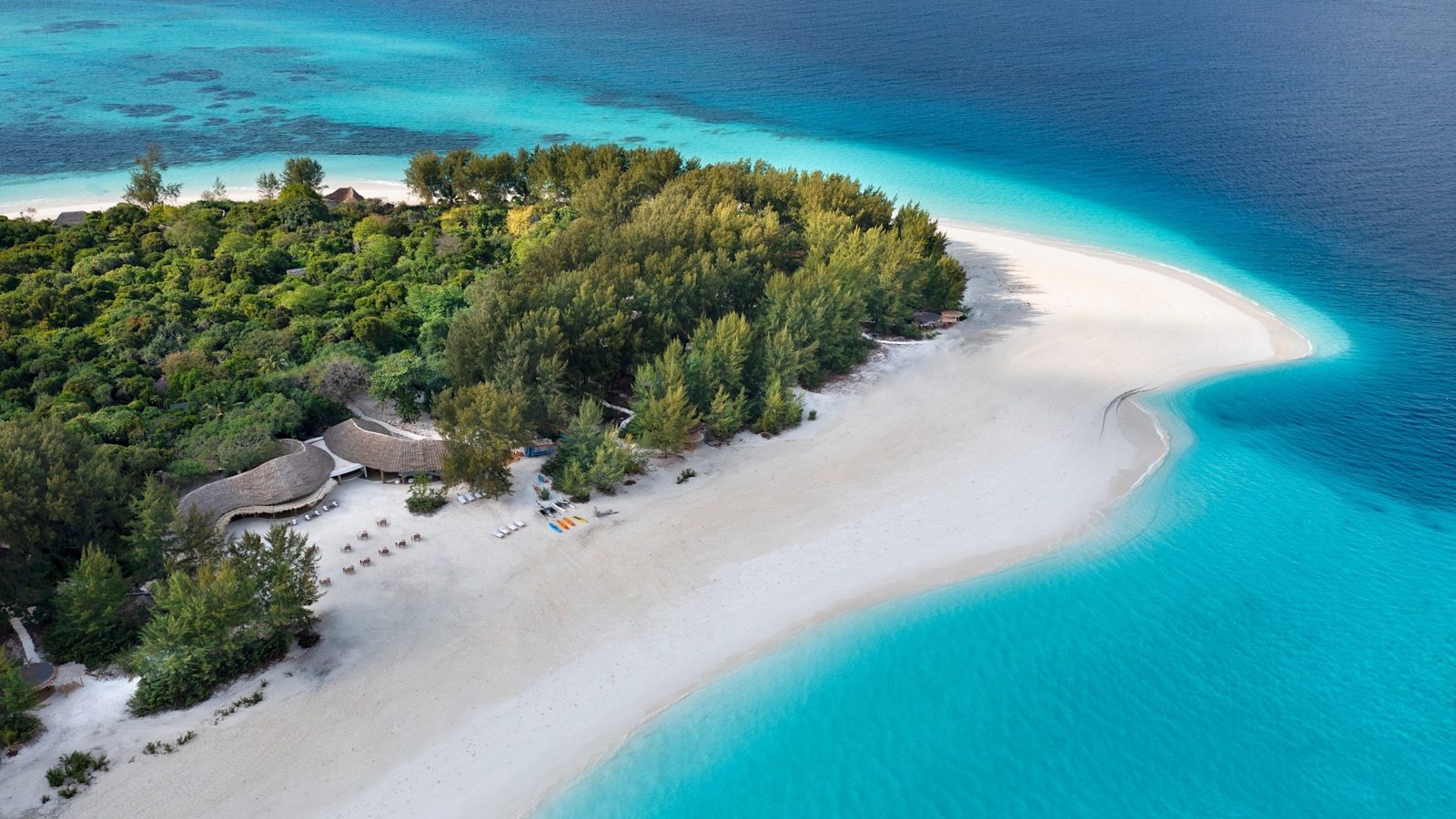 Zanzibar & PembaEast Africa · Spice Islands with HistoryStone Town: UNESCO heritage, spice markets, Swahili trading history; Mnemba Island: the world's most exclusive beach hideaway; Pemba: excellent diving, authentic barefoot experience. Best after: Tanzania or Kenya safari.
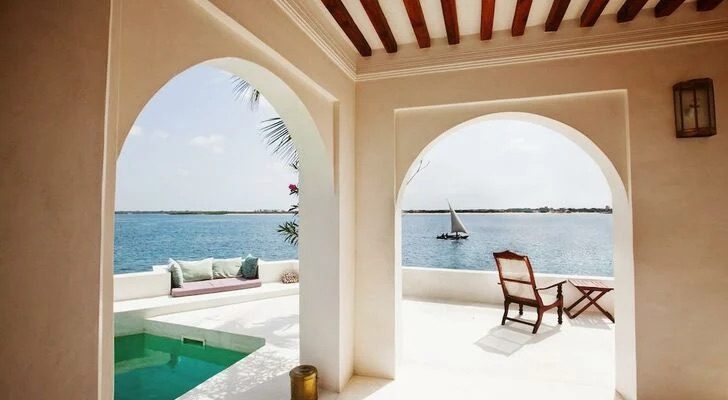 Kenya CoastEast Africa · Swahili Culture Meets Indian OceanLamu: UNESCO car-free island, bohemian atmosphere; Shela Beach: pristine kilometers of white sand; Diani Beach: turquoise water, family-friendly. Best after: Kenya safari (direct flights from Masai Mara).
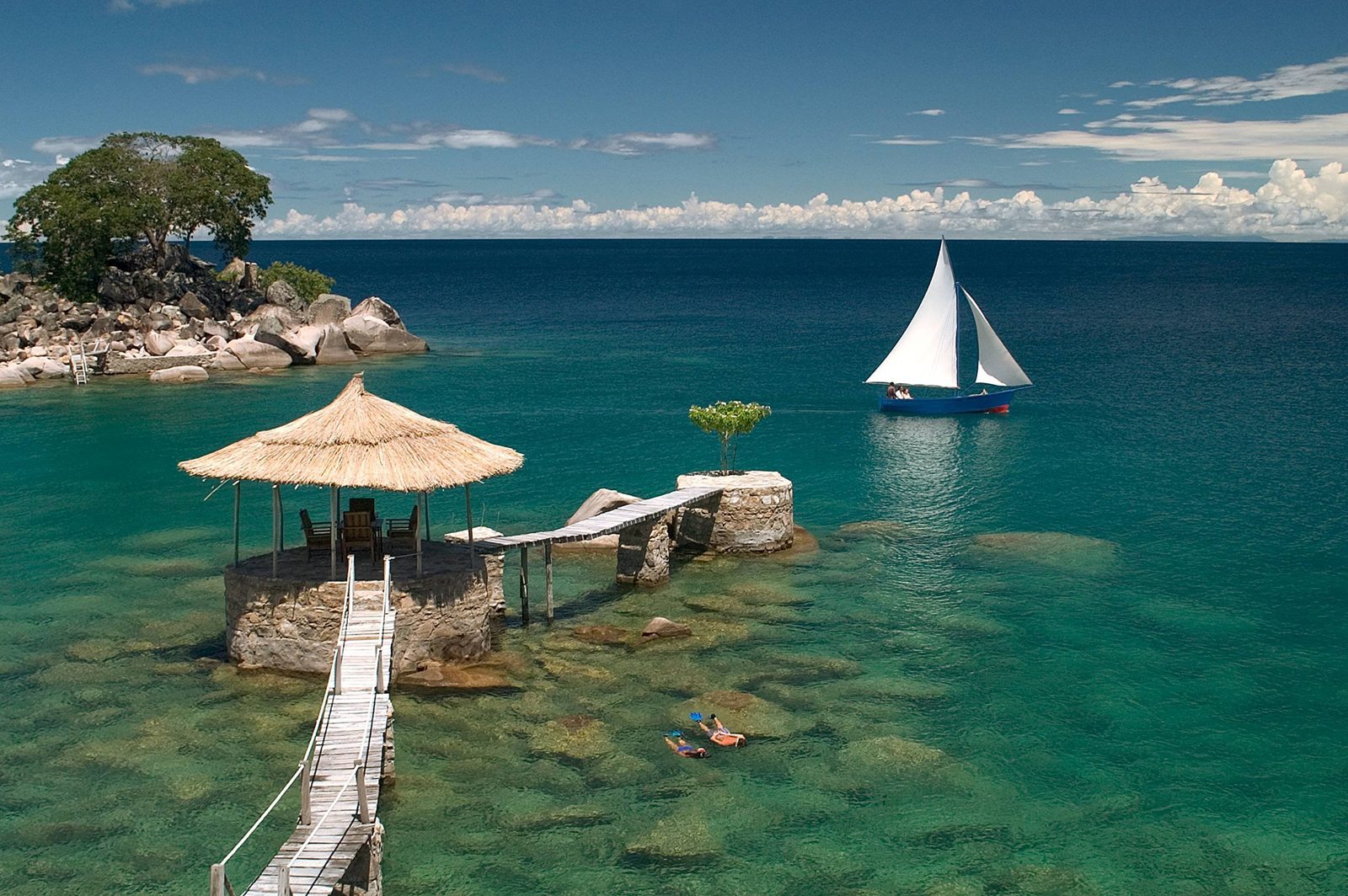 Lake MalawiFreshwater Alternative · Freshwater ParadiseCrystal-clear freshwater, 1,000+ fish species; Kaya Mawa on Likoma Island; No tides, no jellyfish, uncrowded. Best after: Zambia safari.

This guide is designed as an introductory overview before we dive into crafting your personalized itinerary. Every journey is unique, so let's design yours together.